

Introduction: The Impact of Voice in Storytelling
A vocal storyteller transcends mere speech, song, or performance; they craft a vivid experience through the artful use of voice, emotion, rhythm, and feeling. When a story is conveyed with the appropriate tone, it becomes more accessible to visualize, easier to feel, and harder to forget. In various formats, including music, spoken word, podcasts, live performances, and emotive displays, the voice serves as a vital link between the artist and the audience. It communicates memories, moods, pain, hope, and beauty in ways that written words alone often fail to capture.
What Makes a Vocal Storyteller Remarkable
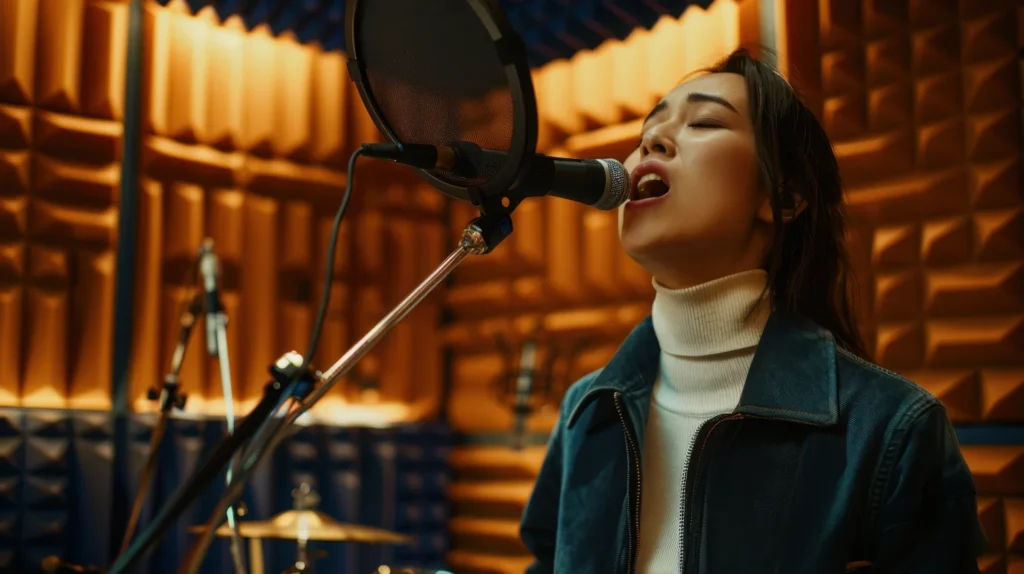
A vocal storyteller possesses the unique ability to transform simple words into profound moments. It’s not merely about having a pleasing voice; it’s about using it with intention and skill. A gentle pause can evoke an air of mystery, a deeper tone can convey sorrow, and a brighter pitch can instill hope within a scene. This is what makes vocal storytelling feel so intimate. The listener does more than just hear the story; they immerse themselves in it, almost as if they are part of the memory being shared.
Voice as an Emotional Instrument
For a vocal storyteller, the voice works like an instrument full of color and movement. Every breath, note, pause, and change in volume can shape the listener’s emotions. A singer storyteller may use melody to lift a feeling, while a spoken word artist may use silence to make one line feel stronger. This kind of vocal expression helps the audience understand not only what happened in a story, but how it felt. That emotional connection is what makes storytelling through voice so powerful.
Bringing Lyrics and Words to Life
A vocal storyteller adds meaning to lyrics by delivering them with honesty. A song may have beautiful words, but without emotion, those words can feel flat. When a voice conveys truth, the lyrics come to life. This is especially crucial in music storytelling, where every line should resonate with real-life experiences. The best story-driven songs feel like open letters; they are not just meant to be heard but to be remembered, repeated, and felt long after the music ends.
The Role of Tone in Storytelling
Tone is one of the strongest tools a vocal storyteller can use. The same sentence can feel warm, sad, hopeful, or dramatic depending on how it is delivered. A calm tone can make a story feel intimate. A rougher tone can add honesty and depth. A soulful tone can make the listener feel close to the performer. In vocal performance, tone helps build atmosphere. It tells the audience what kind of emotional space they are entering before the story even fully begins.
How Emotion Builds Listener Connection
A vocal storyteller connects with people because emotion feels human. Listeners can easily recognize when a voice carries real feeling. It may remind them of their own memories, relationships, dreams, or struggles. That is why emotional storytelling works so well in music and performance. It does not need to explain everything. Sometimes one honest line, sung or spoken with the right feeling, can say more than a long explanation. The voice makes the story personal, even for someone hearing it for the first time.
Rhythm and Flow Make Stories Memorable
Rhythm gives shape to the way a vocal storyteller delivers a message. In songs, rhythm helps lyrics move naturally with the melody. In spoken storytelling, rhythm controls the pace of the scene. A faster rhythm can create excitement, while a slower rhythm can invite reflection. Good flow keeps the listener interested from beginning to end. It helps the story feel smooth, natural, and alive. Without rhythm, even meaningful words can lose their impact. With rhythm, the voice becomes a guide.
Creating Atmosphere Through Sound
A vocal storyteller knows that atmosphere matters. The voice can create images without showing anything visually. A gentle delivery can feel like a quiet room. A powerful vocal moment can feel like standing in the middle of a storm. That is why narrative voice is so important in music, audiobooks, podcasts, and live performances. The listener begins to imagine places, people, colors, and emotions solely through sound. A strong voice does not just tell the scene; it shows it. It builds the world around it.
Why Authenticity Matters Most
A vocal storyteller must sound real. A perfect technique is helpful, but honesty is what keeps the audience. People connect with voices that feel sincere, not forced. A small crack in the voice, a natural pause, or an emotional shift can make a performance feel more human. Authentic storytelling allows the artist to share something deeper than polished sound. It gives the listener a reason to trust the story. When the voice feels true, the message becomes stronger.
Music Storytelling and Personal Identity
A vocal storyteller often uses music to express identity, memory, and personal truth. It is especially clear in indie music, blues, soul, folk, and acoustic styles, where the story often sits at the center of the song. The voice carries the artist’s personality. It shows where they have been, what they have felt, and how they see the world. It makes every performance unique. Even when two artists sing the same words, the story changes because their voices are different.
How Vocal Storytelling Helps Artists Stand Out
A vocal storyteller can stand out in a crowded music world because stories create loyalty. Many songs may sound catchy for a short time, but emotional stories stay with people longer. Listeners remember how a performance made them feel. They return to voices that understand them, comfort them, or inspire them. For singers, musicians, podcasters, and performers, voice storytelling is not only a creative skill. It is also a way to build a deeper connection with the audience and a stronger artistic identity.
Digital Platforms and Voice-Based Connection
A vocal storyteller can reach more people today through YouTube, Instagram, Facebook, podcasts, and music streaming platforms. These channels allow artists to share songs, behind-the-scenes stories, live sessions, and personal reflections. A simple video performance can make the audience feel closer to the artist. For example, fans can follow new performances and updates through YouTube, where voice, visuals, and storytelling can work together. Digital platforms make it easier for emotional storytelling to travel across countries and cultures.
Final Thoughts: When Voice Becomes Memory
A vocal storyteller brings stories to life by making people feel something real. The voice can turn memories into melodies, words into emotions, and simple moments into lasting experiences. Whether the story is sung, spoken, whispered, or performed on stage, the goal remains the same: to create a connection. Great vocal storytelling does not depend only on volume, range, or style. It depends on truth, feeling, timing, and the courage to share a story in a way that touches the listener’s heart.