

Quick Answer
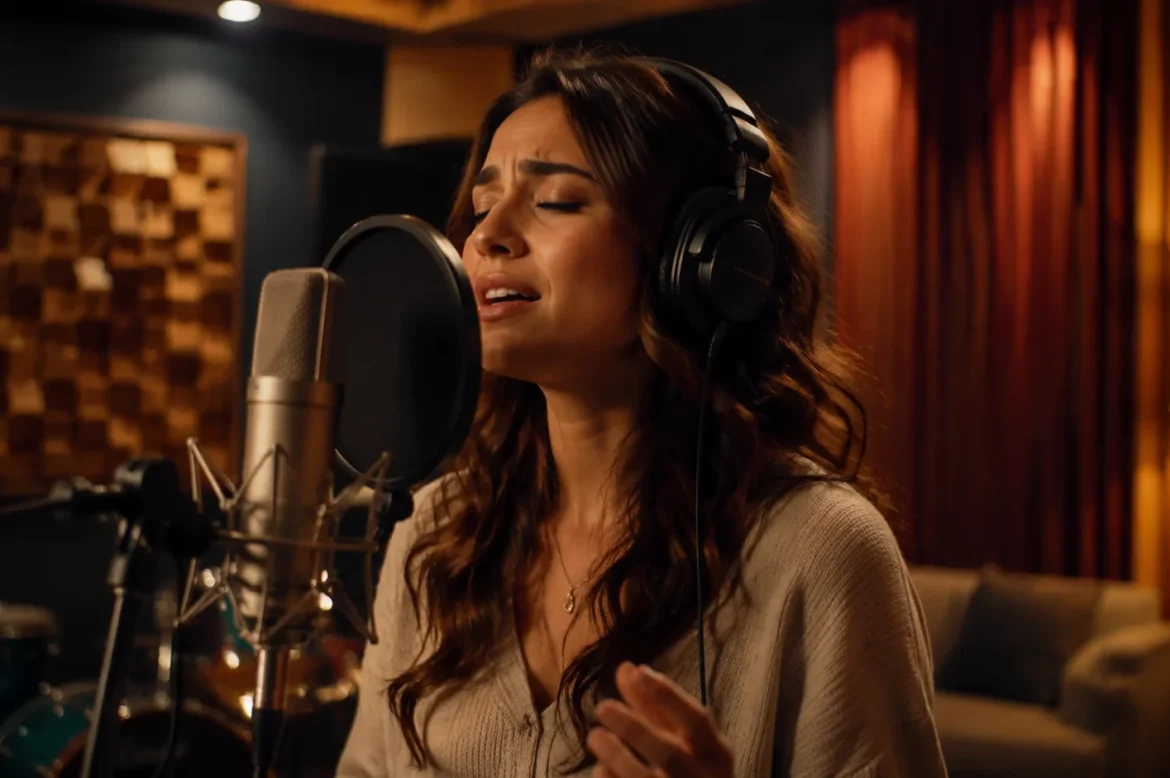
Singing techniques are the practical skills that help vocalists improve breath control, pitch accuracy, vocal strength, tone, and expression. Whether you perform acoustic songs, pop, or the music genre indie rock, mastering the right techniques allows singers to perform confidently while protecting their voices. For aspiring indie artists, strong vocal fundamentals combined with authentic storytelling create memorable performances that connect with listeners.
Key Takeaways
- Good singing techniques improve vocal quality and confidence.
- Breath control is the foundation of every strong vocal performance.
- Understanding what is indie music helps singers develop an authentic vocal style.
- Every artist should build healthy daily vocal practice habits.
- Consistency is more important than natural talent alone.
Introduction
A great voice is not only about natural talent. Behind every confident performance is a combination of practice, discipline, and proper vocal training. Some singers are born with pleasant voices, but long-term success comes from learning techniques that improve control, endurance, and emotional expression.

Modern indie artists often stand out because they sound genuine rather than perfect. Instead of trying to imitate mainstream performers, they focus on developing a voice that reflects their personality and musical identity. This authenticity has become one of the defining characteristics of independent musicians around the world.
Understanding what is indie music also helps explain why vocal individuality matters so much. Independent musicians are encouraged to experiment, express emotions honestly, and develop styles that feel personal instead of commercial.
Whether you are a beginner or already recording original songs, learning effective singing techniques can significantly improve your confidence and overall performance.
What Are Singing Techniques?
Singing techniques are methods that help singers use their voices correctly, efficiently, and safely. These techniques improve vocal control while reducing unnecessary strain on the vocal cords.
Professional singers continuously practice vocal exercises because every performance depends on consistent technique rather than luck.
Some of the most important areas include:
- Proper breathing
- Pitch control
- Vocal resonance
- Voice projection
- Pronunciation
- Emotional delivery
- Vocal stamina
Each of these skills contributes to a stronger and more expressive performance.
Why Every Indie Artist Should Learn Proper Singing Techniques
Many people believe independent musicians simply write songs and upload them online. In reality, successful indie artists spend years refining both their songwriting and vocal ability.
Unlike performers who rely on large production teams, independent musicians often perform live in intimate venues, acoustic sessions, interviews, podcasts, and online livestreams. Strong vocal technique allows them to deliver consistent performances in every environment.
Learning proper singing techniques also helps artists:
- Build confidence on stage.
- Reduce vocal fatigue.
- Maintain consistent sound quality.
- Improve recording sessions.
- Perform longer without damaging the voice.
For musicians building long-term careers, vocal health is just as important as creativity.
After improving their vocal skills, many independent musicians share their songs on streaming platforms such as Spotify, allowing them to reach listeners around the world.
The Connection Between Singing Techniques and Indie Music
When discussing what is an indie music style, many people focus only on production or record labels. However, vocal expression is equally important.
Independent music values originality over perfection.
Instead of sounding identical to commercial artists, many independent singers embrace natural vocal textures, emotional delivery, and storytelling.
This is one reason listeners often feel emotionally connected to indie music. Rather than relying on excessive vocal effects, artists communicate genuine experiences through honest performances.
Developing proper singing techniques gives performers the freedom to express emotion naturally while maintaining healthy vocal habits.
Many successful indie artists also release their music on Apple Music, making it easier for audiences to discover original songs across different devices.
Essential Singing Technique #1: Breath Control
Breathing is the foundation of every great vocal performance.
Without proper breath support, singers may struggle with:
- Weak vocal projection
- Running out of breath
- Inconsistent notes
- Vocal strain
- Poor endurance
Professional vocalists learn to breathe from the diaphragm instead of taking shallow breaths from the chest.
Diaphragmatic breathing provides greater control over airflow, allowing singers to hold notes longer, sing more comfortably, and maintain a stable tone throughout a performance.
Simple Daily Exercise
Practice inhaling slowly through your nose for four seconds.
Hold your breath for four seconds.
Exhale gently for six to eight seconds.
Repeat this exercise several times before every vocal practice session.
Essential Singing Technique #2: Pitch Accuracy
One of the biggest challenges for beginners is staying on the correct musical note.
Pitch accuracy improves with regular ear training and vocal exercises.
Instead of trying to sing loudly, focus first on singing correctly.
Useful practice methods include:
- Singing scales daily
- Matching piano notes
- Recording your voice
- Listening carefully to playback
- Correcting mistakes gradually
Over time, these exercises improve musical accuracy and overall vocal confidence.
Essential Singing Technique #3: Vocal Resonance
Resonance refers to the richness and depth of your voice.
Rather than forcing volume, singers learn to naturally amplify their sound using proper placement and relaxed vocal production.
Improving resonance creates a fuller tone that sounds more professional without unnecessary effort.
Independent musicians often use vocal resonance to create warm, intimate performances that suit acoustic and emotional songs.
Essential Singing Technique #4: Voice Projection
Many beginner singers believe that singing louder automatically creates a better performance. In reality, voice projection is about producing a clear and powerful sound without putting unnecessary pressure on the vocal cords.
Strong voice projection allows singers to perform confidently in recording studios, live shows, and acoustic performances while maintaining vocal clarity.
To improve voice projection:
- Maintain good posture.
- Relax your shoulders and neck.
- Use proper breath support.
- Avoid shouting while singing.
- Practice speaking and singing with natural confidence.
A well-projected voice sounds effortless rather than forced, making performances more enjoyable for both the singer and the audience.
Essential Singing Technique #5: Expanding Your Vocal Range
Every singer has a natural vocal range, but consistent training can help increase flexibility and control.
Expanding your range does not mean forcing yourself to hit extremely high or low notes. Instead, it involves gradually strengthening your voice while protecting it from strain.
Safe ways to improve vocal range include:
- Daily scale exercises
- Lip trills
- Humming exercises
- Gentle sirens
- Warm-up routines before singing
Patience is essential because healthy vocal development takes time.
Essential Singing Technique #6: Clear Pronunciation and Articulation
No matter how beautiful a melody sounds, listeners should be able to understand the lyrics.
Clear pronunciation helps every word connect with the audience.
Professional singers practice articulation because it improves communication without affecting the natural flow of a song.
Simple ways to improve articulation include:
- Reading lyrics aloud.
- Practicing tongue twisters.
- Singing slowly before increasing speed.
- Recording your practice sessions.
- Paying attention to vowel and consonant sounds.
Strong articulation allows emotional stories within songs to become more meaningful.
Essential Singing Technique #7: Emotional Expression
Technical skill is important, but emotion is what transforms a good performance into a memorable one.
Many successful indie artists connect with audiences because they communicate genuine feelings through their music rather than relying only on perfect vocal ability.
Before performing a song, ask yourself:
- What message does this song communicate?
- What emotions should listeners experience?
- Which words deserve stronger emphasis?
- How can facial expressions support the performance?
Authentic emotion creates lasting connections between artists and their listeners.
How the Music Genre Indie Rock Influences Vocal Style
The music genre indie rock has developed its own vocal identity over the years.
Unlike some commercial music styles that focus heavily on polished production, indie rock often values personality, raw emotion, and authenticity.
Many indie rock vocalists intentionally maintain natural vocal textures instead of relying on excessive vocal effects.
Common characteristics include:
- Honest storytelling
- Dynamic vocal delivery
- Emotional intensity
- Natural vocal tone
- Personal lyrical expression
This creative freedom allows singers to build distinctive identities that listeners immediately recognize.
What Is Indie Music and Why Does Vocal Authenticity Matter?
Many people ask, what is indie music?
Simply put, indie music represents an independent approach to creating, producing, and sharing music. Although the sound may vary across genres, one characteristic remains consistent—creative freedom.
Rather than following commercial formulas, independent musicians focus on expressing their own artistic vision.
This is why vocal authenticity plays such an important role.
Listeners often appreciate voices that sound genuine, expressive, and emotionally honest, even if they are not technically perfect.
Developing strong singing techniques helps artists express these emotions while maintaining healthy vocal habits.
Daily Vocal Practice Routine
Consistency produces better results than occasional long practice sessions.
A simple daily routine can help singers improve steadily while avoiding vocal fatigue.
1. Vocal Warm-Up (5–10 Minutes)
Begin with gentle humming, lip trills, and breathing exercises to prepare the vocal cords.
2. Breathing Exercises (5 Minutes)
Practice diaphragmatic breathing to improve breath control and vocal stability.
3. Pitch Practice (10 Minutes)
Sing scales slowly while focusing on accurate notes and smooth transitions.
4. Song Practice (20–30 Minutes)
Apply your techniques by practicing songs from different styles while paying attention to tone, pronunciation, and emotional delivery.
5. Cool Down (5 Minutes)
Finish with soft humming and relaxed breathing exercises to help your voice recover after practice.
Common Mistakes Beginner Singers Should Avoid
Learning what singing techniques to use is important, but understanding common mistakes can help singers improve even faster.
Avoid these habits:
- Skipping vocal warm-ups.
- Singing too loudly without breath support.
- Copying other singers instead of developing your own style.
- Practicing with poor posture.
- Ignoring hydration.
- Overusing the voice without proper rest.
- Expecting instant improvement.
Building a strong voice is a gradual process that rewards consistency and patience.
Maintaining Long-Term Vocal Health
A healthy voice is one of a musician’s most valuable assets.
Professional singers protect their voices by following simple daily habits.
These include:
- Drinking plenty of water.
- Getting enough sleep.
- Avoiding excessive shouting.
- Taking vocal breaks after long performances.
- Practicing proper breathing techniques.
- Seeking guidance from experienced vocal coaches when needed.
Healthy habits allow singers to continue performing comfortably throughout their careers.
Expert Insight
Natural talent may provide a starting point, but long-term success comes from disciplined practice.
The most respected singers continue refining their technique regardless of their experience level. Every rehearsal, recording session, and live performance provides an opportunity to grow.
For indie artists, combining technical skill with authentic storytelling creates performances that remain memorable long after the music ends.
How to Develop Your Own Singing Style
One of the biggest goals for any musician is to create a voice that listeners instantly recognize. While learning from experienced singers is valuable, every artist should eventually develop a unique style rather than simply copying others.
Independent musicians are often remembered because they sound authentic. Their voice reflects their personality, emotions, and life experiences instead of following commercial trends.
Developing your own singing style requires patience, experimentation, and confidence. Over time, your natural strengths will become part of your artistic identity.
Ways to Build Your Unique Style
- Write songs based on personal experiences.
- Experiment with different vocal dynamics.
- Record your practice sessions regularly.
- Accept constructive feedback.
- Stay consistent with your musical direction.
- Avoid comparing yourself with other singers.
Authenticity is often more memorable than perfection.
How Indie Artists Continue Improving Their Voices
Many successful indie artists never stop learning. Even after releasing albums or performing live, they continue improving their vocal techniques through regular practice and professional guidance.
Some effective ways to continue growing include:
Regular Vocal Training
Working with a vocal coach helps identify strengths and areas that need improvement.
Listening Critically
Recording practice sessions allows singers to notice pronunciation, breathing, and pitch issues that may not be obvious while performing.
Exploring Different Music Styles
Although every artist has a preferred genre, experimenting with different styles helps improve flexibility and overall vocal confidence.
Performing Live
Live performances teach valuable lessons about audience engagement, confidence, stage control, and vocal endurance that cannot be learned from practice alone.
Technology and Modern Vocal Training
Technology has changed the way singers practice and improve.
Today, independent musicians can use:
- Vocal training apps
- Digital recording software
- Home studio equipment
- Online vocal lessons
- Pitch analysis tools
- Metronomes
- Backing tracks
These resources make professional-quality practice more accessible than ever before.
However, technology should support learning—not replace consistent practice and healthy vocal habits.
Building Confidence as a Singer
Confidence is developed through preparation rather than luck.
Every rehearsal, recording session, and performance helps singers become more comfortable with their voice.
Some practical confidence-building tips include:
- Practice regularly instead of only before performances.
- Focus on progress rather than perfection.
- Celebrate small improvements.
- Accept mistakes as part of learning.
- Perform for friends or family before larger audiences.
Confidence grows naturally as experience increases.
Frequently Asked Questions
What are singing techniques?
Singing techniques are methods used to improve vocal quality, breath control, pitch accuracy, resonance, articulation, and overall performance while protecting vocal health.
Can anyone improve their singing voice?
Yes. Most singers improve significantly through consistent practice, proper breathing exercises, healthy vocal habits, and regular training. Natural talent may help, but dedication produces long-term results.
How long does it take to improve singing?
Improvement depends on individual practice routines and consistency. Many beginners notice positive changes within a few months of structured daily practice.
Why is breath control important for singers?
Breath control provides the support needed for stable notes, better projection, longer phrases, and reduced vocal strain during performances.
What is indie music?
Many people ask what is indie music. It refers to music created and released independently, often giving artists greater creative freedom over songwriting, production, branding, and distribution.
Do indie artists need professional vocal training?
While it is not mandatory, professional coaching can help indie artists improve technique, protect their voices, and perform with greater confidence.
Which music genre benefits most from strong vocal techniques?
Every genre benefits from proper vocal technique. Whether performing pop, jazz, classical, or the music genre indie rock, healthy vocal habits improve both performance quality and long-term vocal health.
How often should singers practice?
A consistent daily routine of 30–60 minutes is usually more effective than occasional long practice sessions. Regular practice helps build muscle memory and maintain vocal strength.
Conclusion
Strong singing techniques are the foundation of every confident and expressive performer. While natural ability can provide a starting point, long-term success depends on continuous learning, disciplined practice, and a willingness to improve over time.
For independent musicians, technical skill is only one part of the journey. The ability to communicate genuine emotion, develop a recognizable style, and connect with listeners is what truly sets successful artists apart. Understanding what is an indie music approach means recognizing that authenticity often matters more than following trends.
Whether you are just beginning your musical journey or refining years of experience, investing in healthy vocal habits will help you perform with greater confidence and consistency. As the world of indie music continues to grow, artists who combine creativity with strong vocal foundations will be better prepared to build meaningful careers and lasting relationships with their audiences.
Independent musicians who want greater control over selling their music often choose platforms like Bandcamp, where they can connect directly with supporters.
Call to Action
If you’re passionate about improving your voice and exploring the world of independent music, continue learning, practice consistently, and stay true to your artistic identity. Every great singer starts with a single step, and every practice session brings you closer to becoming a more confident performer.
If you’re new to independent music, don’t miss our complete guide on Indie Music Artists to understand how vocal skills contribute to a successful music career.

One comment
Comments are closed.