


Quick Answer
How independent musicians make money depends on building multiple income streams instead of relying on one source. Independent artists can earn through music streaming, live performances, merchandise, licensing, royalties, direct fan support, teaching, and other music-related services. Building a sustainable career usually requires combining creative skills with music marketing, audience development, and consistent content.
Key Takeaways
- Independent musicians can develop multiple revenue streams.
- Streaming is only one part of an independent music career.
- Live performances can provide both income and audience growth.
- Merchandise allows artists to monetize their existing fan base.
- Music licensing can create opportunities beyond traditional releases.
- Direct fan support can give artists greater control over their income.
- Strong branding and music marketing are important for turning listeners into long-term supporters.
Introduction
The modern music industry has created more opportunities for independent musicians than ever before. Artists no longer have to depend entirely on major record labels to record, distribute, promote, and monetize their music.
However, independence also means taking responsibility for different areas of a music career. An artist may need to think about songwriting, recording, distribution, promotion, branding, audience development, and finances at the same time.
This is why the question how independent musicians make money has become increasingly important for aspiring artists.
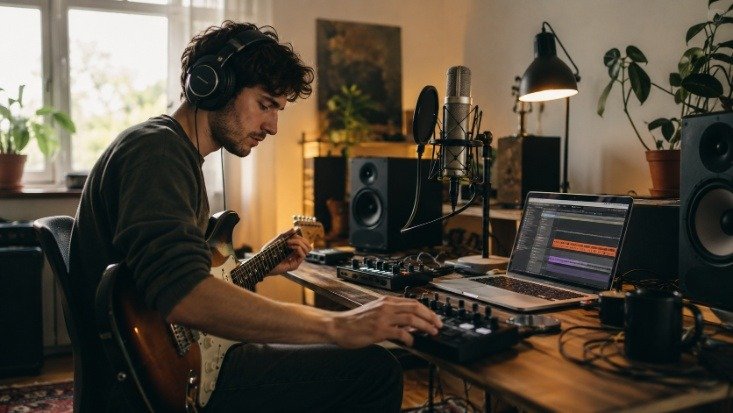
The answer is not simply streaming music. A sustainable independent career can involve several different revenue sources, with each one contributing to the artist’s overall business.
For example, an independent artist might release music through digital platforms, perform at live events, sell merchandise, license songs for media projects, and offer music-related services. Over time, these different activities can work together to create a more stable career.
The most important principle is to think of music as both an art form and a creative business.
How Independent Musicians Make Money
Independent musicians can generate income through several channels. The exact opportunities available to an artist depend on their musical style, audience, location, skills, and career stage.
Some of the most common income streams include:
- Music streaming
- Digital music sales
- Live performances
- Merchandise
- Music licensing
- Publishing royalties
- Fan memberships
- Crowdfunding
- Teaching
- Session work
- Songwriting
- Production services
- Brand collaborations
Rather than depending on a single source, many independent musicians gradually develop a combination of these opportunities.
This approach can also give artists more control over their careers because they are not completely dependent on one platform, employer, or revenue source.
1. Music Streaming Revenue
Streaming has become an important part of the modern music ecosystem.
Independent artists can distribute their songs through digital music services and make their music available to listeners in different countries.
When listeners stream music, the rights holders may receive royalties according to the platform’s payment system, agreements, territories, and other factors.
However, artists should understand that streaming income can vary considerably. Factors such as the number of streams, ownership of rights, distribution agreements, and applicable royalty arrangements can influence what an artist ultimately receives.
For this reason, streaming is best viewed as one component of a broader music business, rather than the only way to make money.
Independent artists can distribute their music through platforms such as Spotify and make their recordings available to listeners around the world.
2. Live Performances
Live performances remain an important income opportunity for many indie music artists.
Artists may perform at:
- Concerts
- Festivals
- Music venues
- Private events
- Community events
- Corporate functions
- Acoustic sessions
Live shows can provide direct performance fees while also helping artists build relationships with their audiences.
A successful performance can lead to repeat bookings, new fans, merchandise sales, and networking opportunities with other professionals in the music industry.
For emerging musicians, smaller performances can also be valuable because they provide experience and help develop confidence on stage.
3. Selling Music Directly to Fans
Digital platforms have made it easier for musicians to distribute their work, but some artists also choose to sell music directly to supporters.
Depending on their audience and business model, musicians may offer:
- Digital albums
- EPs
- Special editions
- Physical CDs
- Vinyl records
- Exclusive recordings
Direct sales can provide artists with greater control over the relationship with their audience.
It also gives dedicated fans an opportunity to support the musicians they genuinely care about.
Platforms such as Bandcamp can also give independent musicians another way to connect with supporters and sell music directly.
4. Merchandise
Merchandise can become another valuable part of an independent artist’s business.
Common merchandise products include:
- T-shirts
- Hoodies
- Posters
- Hats
- Signed items
- Physical albums
- Limited-edition products
Merchandise works particularly well when an artist has developed a recognizable identity and loyal audience.
A strong visual brand can make merchandise feel like more than a product. It can become a way for fans to express their connection with the artist.
Why Multiple Income Streams Matter
One of the biggest lessons for aspiring musicians is that there is rarely a single guaranteed path to financial success.
An artist might receive streaming revenue during one period, perform live during another, and earn from licensing or merchandise at different points in their career.
Building multiple revenue streams can therefore provide greater flexibility.
For example:
Music release → New listeners → Live audience → Merchandise → Fan community → Additional opportunities
This creates an ecosystem where different parts of the artist’s career support one another.
5. Music Licensing and Sync Opportunities
Music licensing can create opportunities for independent artists to earn from their existing recordings. A song may be licensed for use in films, television programs, advertisements, online videos, games, podcasts, or other media projects.
This type of opportunity is often called sync licensing, because music is synchronized with visual content.
For an independent artist, having music that fits different moods and storytelling situations can create additional possibilities. Instrumental versions, clean edits, and well-organized recordings can also make a catalog easier for music professionals to evaluate.
However, artists should understand the ownership of their recordings and compositions before agreeing to any licensing arrangement. Clear rights information can help prevent confusion later.
6. Royalties and Music Publishing
Another important part of understanding how independent musicians make money is learning about royalties.
A song can involve different rights, including rights connected to the composition and rights connected to a particular recording. Songwriters, composers, performers, publishers, and other rights holders may have different interests depending on the arrangement.
Publishing is particularly important for songwriters because the composition itself can generate income when it is used or performed under qualifying circumstances.
Independent musicians should therefore keep accurate records of:
- Songwriting credits
- Co-writers
- Ownership percentages
- Recording information
- Release dates
- Licensing agreements
Good record keeping becomes increasingly important as an artist’s catalog grows.
7. Fan Memberships and Direct Support
Some independent artists build recurring income by creating dedicated communities around their music.
Depending on the artist’s audience, membership programs may offer supporters access to:
- Exclusive songs
- Early releases
- Behind-the-scenes content
- Private livestreams
- Acoustic performances
- Personal updates
- Limited merchandise
The key is to provide genuine value rather than simply asking fans for financial support.
A strong fan community can become one of the most valuable assets for indie artists because it creates a direct relationship between the musician and the people who appreciate their work.
8. Crowdfunding New Music Projects
Crowdfunding can help independent musicians finance specific projects.
For example, an artist might use a crowdfunding campaign to support:
- Recording an album
- Producing a music video
- Manufacturing physical music
- Organizing a tour
- Creating merchandise
Successful crowdfunding generally depends on having an engaged audience and clearly explaining what the project will accomplish.
Artists should also be transparent about costs, timelines, rewards, and potential limitations before launching a campaign.
9. Teaching Music and Vocal Skills
Musicians can also use their skills outside of performing and recording.
Artists with strong knowledge of vocals, instruments, songwriting, or production may offer:
- Private lessons
- Online classes
- Workshops
- Vocal coaching
- Songwriting sessions
- Beginner music courses
For example, an experienced vocalist who understands different singing techniques may be able to teach students how to improve breath control, vocal expression, pitch, and performance confidence.
Teaching can provide an additional income stream while allowing musicians to share their experience with emerging artists.
10. Songwriting and Session Work
Independent musicians with strong songwriting or performance skills can also work with other artists.
Possible opportunities include:
- Co-writing
- Session vocals
- Instrumental session work
- Background vocals
- Song arrangement
- Demo recording
- Music production
These services allow musicians to monetize skills they have already developed.
They can also expand an artist’s professional network and lead to future collaborations.
11. Music Production Services
Artists who understand recording and production may create another revenue stream by helping other musicians produce their projects.
Production-related services can include:
- Recording
- Vocal production
- Editing
- Arrangement
- Mixing
- Demo production
A musician does not necessarily need to be known internationally to provide valuable creative services. Strong technical skills, reliable communication, and professional results can help build a reputation within a local or online music community.
12. How Music Marketing Helps Independent Artists Earn More
Creating great music is essential, but people need to discover it before it can generate meaningful opportunities.
This is where music marketing becomes important.
Independent artists can use marketing to:
- Increase music discovery
- Build an audience
- Promote new releases
- Drive people toward streaming platforms
- Promote live performances
- Introduce merchandise
- Develop a recognizable artist brand
Effective marketing does not mean promoting the same message everywhere. Instead, artists should understand who their audience is and create content that gives those listeners a reason to follow and support them.
For example, an artist releasing an acoustic single might share the creative story behind the song, a short performance video, studio footage, and an announcement about the release.
These different pieces of content can work together to create interest around one musical project.
13. Building a Strong Online Presence
For modern independent musicians, an online presence can function as a central hub for their career.
A professional artist website can provide space for:
- Music
- Biography
- Upcoming performances
- Videos
- Blog content
- Merchandise
- Contact information
- Press materials
Social media can then help bring audiences toward that central platform.
This is especially useful because artists have more control over their own websites than they do over third-party platforms.
14. Why Artist Branding Matters
A recognizable identity can make it easier for audiences to remember an artist.
Branding can include:
- Artist name
- Visual style
- Photography
- Logo
- Website design
- Album artwork
- Communication style
Strong branding does not mean creating an artificial personality. The most effective artist brands usually reflect the musician’s genuine identity and musical direction.
This is particularly important for indie music artists, who often compete for attention in crowded digital spaces.
Creating a Sustainable Music Business
Making money from music is not necessarily about finding one huge opportunity.
A more realistic approach is to gradually build several connected income sources.
For example:
Music releases → Audience growth → Live performances → Merchandise → Licensing → Fan community
Each activity can support another.
An artist who releases new music can use that release to attract listeners. Those listeners may later attend concerts, purchase merchandise, support exclusive content, or introduce the artist to new audiences.
This creates a sustainable ecosystem around the artist’s work rather than treating every release as an isolated project.
Common Mistakes Independent Musicians Should Avoid
Building a music career independently offers freedom, but it also comes with responsibilities. Avoiding common mistakes can help artists make better long-term decisions.
Depending Only on Streaming
Streaming can help artists reach new listeners, but relying on it as the only income source can limit a musician’s opportunities.
A stronger approach is to combine streaming with performances, merchandise, licensing, fan support, teaching, or other relevant services.
Ignoring the Business Side of Music
Some musicians focus entirely on creativity and overlook important business tasks.
Artists should learn the basics of:
- Copyright
- Song ownership
- Agreements
- Royalties
- Budgeting
- Music distribution
- Marketing
- Record keeping
Understanding these areas can help indie music artists make more informed decisions as their careers develop.
Inconsistent Promotion
Releasing a song and then disappearing can make it difficult to maintain audience interest.
Instead, artists can create content before, during, and after a release.
For example:
Before release:
Teasers, artwork, announcements, and behind-the-scenes content.
During release:
Performance clips, interviews, social posts, and direct audience engagement.
After release:
Acoustic versions, live performances, stories behind the song, and related content.
Consistency can help keep an artist’s music visible without requiring every post to be a direct sales message.
A Practical Roadmap for New Independent Musicians
If you’re just beginning your independent music career, trying to do everything at once can become overwhelming.
A simple progression can make the process easier.
Step 1: Develop Your Music
Focus on songwriting, vocals, instruments, production, and performance.
Step 2: Establish Your Identity
Create a clear artist name, visual identity, biography, and professional online presence.
Step 3: Release Your Music
Choose an appropriate distribution method and make your music available to listeners.
Step 4: Build Your Audience
Use content, live performances, social media, and genuine communication to connect with listeners.
Step 5: Introduce Additional Revenue Streams
Once you have an audience, consider relevant opportunities such as merchandise, live shows, licensing, memberships, or music services.
Step 6: Track Your Progress
Monitor which activities are generating audience engagement and which opportunities are producing meaningful results.
The goal is not to become successful overnight. The goal is to create a repeatable system that can grow with your career.
Why Audience Relationships Matter
One of the biggest advantages independent musicians have today is the ability to communicate directly with their listeners.
A listener who discovers a song today could eventually become a long-term supporter.
That relationship can develop through:
- Regular communication
- Live performances
- Exclusive content
- Personal stories
- Fan communities
- Direct support
For independent musicians, audience trust can become more valuable than simply collecting large numbers of followers.
A smaller group of genuinely engaged supporters may be more meaningful than a large audience that rarely interacts with an artist.
Frequently Asked Questions
How do independent musicians make money?
Independent musicians can make money through streaming, live performances, merchandise, licensing, royalties, teaching, and direct fan support.
Can independent musicians make money without a record label?
Yes. Modern distribution and digital platforms allow artists to release and promote music independently. However, managing a career without a label also means handling many responsibilities themselves or working with independent professionals.
Is streaming the main way independent artists earn money?
Streaming can be an important part of an artist’s income, but it is not the only option. Many musicians combine streaming with live performances, merchandise, licensing, publishing, and other activities.
How can indie artists make money from live performances?
Artists may receive performance fees from concerts, festivals, private events, venues, and other bookings. Live shows can also generate additional opportunities through merchandise sales and audience development.
Can independent musicians sell merchandise?
Yes. Artists can offer products such as clothing, posters, physical albums, signed items, and other merchandise depending on their audience and business model.
What is music licensing?
Music licensing involves giving permission for music to be used in specific ways, such as in films, television, advertising, games, videos, or other media. The terms and payments depend on the particular licensing agreement.
Can musicians make money by teaching?
Yes. Musicians with relevant knowledge and experience may offer lessons, workshops, vocal coaching, songwriting sessions, or other educational services.
Why is music marketing important?
Music marketing helps people discover an artist’s work, follow new releases, attend performances, and engage with the artist’s broader brand. Good marketing can support several parts of an independent music business.
Conclusion
Understanding how independent musicians make money requires looking beyond music streaming.
Today’s independent artists can develop income through live performances, merchandise, licensing, royalties, fan communities, teaching, songwriting, production, and other creative services.
The strongest approach is usually to build several complementary revenue streams rather than depending entirely on one source. An artist can begin with music creation and gradually add opportunities as their audience and experience grow.
Most importantly, independent musicians should remember that a music career is a long-term process. Consistent creative work, professional organization, audience relationships, and thoughtful music marketing can help create a foundation for sustainable growth.
Independent music is ultimately about more than releasing songs. It is about building an artistic identity, connecting with people, and creating a business around that creative work.
Call to Action
Want to learn more about the independent music world? Explore our guides on Indie Music Artists, What Is Indie Music, Indie Rock vs Indie Pop, and Singing Techniques to discover more insights about independent artists, music genres, and developing your creative career.