
Introduction
Creating music independently gives artists the freedom to express their ideas, develop their sound, and connect with listeners on their own terms. However, turning a musical idea into a polished recording involves more than writing lyrics or performing a melody. It requires creative decisions, technical planning, sound development, and coordination throughout the recording process. This is where a music producer can make a meaningful difference.
A music producer helps shape the overall direction of a song or recording project. Depending on the artist’s needs and the producer’s working style, this may involve refining an arrangement, selecting instruments, guiding vocal performances, collaborating with musicians, making production decisions, or helping a track move from an early demo to a finished recording.
For independent artists, understanding what a music producer does is especially valuable. Without the structure of a large record label or an established production team, independent musicians often need to decide which tasks they can manage themselves and where professional collaboration would improve the result.
Some artists begin with a guitar, a piano, a vocal melody, or a simple recording made at home. Others already have complete demos but need assistance developing their sound. In both situations, a producer can help transform an initial idea into a more focused and cohesive musical experience.
However, hiring a producer is not automatically necessary for every artist or every song. Some musicians prefer to produce their own recordings, while others benefit from working with someone who brings different skills, creative judgment, and technical experience to the project. The right approach depends on the artist’s goals, budget, genre, experience, and desired sound.
This guide explains what a music producer does, how music production works, and why independent artists may choose to collaborate with one. It also explores the relationship between production and creative identity, helping musicians understand how to make informed decisions before investing time and money in a recording project.
Whether you are a singer-songwriter developing your first demo or an established independent artist preparing a new release, understanding music production can help you approach your next project with greater confidence.
Quick Answer: What Does a Music Producer Do?
A music producer guides the creative and practical development of a song or recording project. Their responsibilities may include shaping the arrangement, helping define the sound, coordinating musicians, guiding performances, making recording decisions, and overseeing the production process.
The exact role varies from project to project. Some producers work closely with artists from the earliest songwriting stages, while others focus on developing arrangements or improving existing demos. Some also perform instruments, create programmed sounds, or handle recording and editing, depending on their expertise and the agreement with the artist.
For independent musicians, a producer can provide creative direction, technical knowledge, and an organized process for turning an idea into a finished track.
In simple terms: a songwriter may create the song, a performer may bring it to life, and a music producer helps shape how the complete recording sounds and feels. These roles can overlap, particularly when independent artists write, perform, record, and produce their own music.
Key Takeaways
- Creative direction: A music producer helps develop the overall sound, mood, and arrangement of a song.
- Arrangement and instrumentation: Producers may recommend changes to song structure, instrument choices, rhythm, and musical layers.
- Performance guidance: Depending on the project, a producer can help an artist refine vocal delivery, timing, phrasing, and emotional expression.
- Recording decisions: Producers may participate in recording sessions, select recording approaches, and collaborate with engineers.
- Independent artist support: A producer can help musicians identify what their projects need and organize the steps required to complete a recording.
- Different working styles: Some producers handle several technical tasks, while others concentrate primarily on creative direction.
- Creative identity matters: The best collaboration supports the artist’s vision rather than replacing it with someone else’s preferences.
- Clear agreements are essential: Artists should discuss fees, responsibilities, credits, deliverables, ownership, and revisions before production begins.
- Self-production is an option: Musicians do not always need to hire a producer; the decision should reflect their abilities, resources, and project requirements.
What Is a Music Producer?
A music producer is a professional who helps guide the creation and development of a musical recording. The producer’s role may combine creative judgment, musical knowledge, project coordination, and technical understanding to help an artist achieve a particular sound.
The position is flexible rather than identical across every project. In one recording session, a producer might suggest simplifying a chorus so the vocal becomes more powerful. In another, the producer might recommend adding a bass part, changing the drum pattern, or allowing an instrumental section more room to develop.
A producer may also help the artist evaluate whether a song is ready to record, whether its arrangement supports the lyrics, and whether the various musical elements work together.
For example, imagine an independent singer-songwriter who has written an emotional song about separation. The lyrics and melody are complete, but the initial demo consists only of a vocal and acoustic guitar. The artist wants the finished version to feel intimate without sounding unfinished.
A producer might explore different arrangements, discuss the desired atmosphere, recommend subtle percussion, and experiment with backing vocals. Rather than filling every available space with additional sounds, the producer may decide that a restrained arrangement better communicates the song’s meaning.
This illustrates an important principle: music production is not simply about adding instruments or making a recording sound bigger. It is about making deliberate decisions that serve the song.
A professional music producer may guide creative decisions, develop arrangements, coordinate recording sessions, and help shape the final sound, as explained in this overview of music producer responsibilities.
The Difference Between a Music Producer and a Songwriter
A songwriter primarily develops the musical composition, which may include lyrics, melody, chords, and song structure. A music producer focuses on shaping how the song is developed and presented as a recording.
These responsibilities can overlap. An artist may write the song and produce it independently, while another musician may contribute to the composition during a production session. Some producers also write melodies, create instrumental sections, or help refine lyrics.
Because contributions vary, artists should agree on songwriting credits separately from production credits. Participating in a recording session does not automatically mean that every contributor has the same songwriting role or ownership rights.
The Difference Between a Music Producer and a Recording Engineer
A recording engineer generally focuses on capturing sound effectively. Their work may include microphone placement, recording levels, signal routing, session setup, and technical troubleshooting.
A music producer may work alongside the recording engineer to determine what should be recorded, how the performance should develop, and which creative decisions will best support the song.
In smaller independent projects, one person may perform both roles. In larger sessions, the producer and engineer may have clearly separated responsibilities.
The Difference Between a Music Producer and a Mixing Engineer
A mixing engineer works with recorded or programmed audio elements to create a balanced final mix. Their responsibilities may include adjusting levels, equalization, dynamics, stereo placement, effects, and the relationship between different instruments and vocals.
A producer may provide creative direction during mixing, participate in feedback sessions, or approve the final result. However, the producer does not necessarily perform the mixing work personally.
The same distinction applies to mastering. Mastering is a separate stage focused on preparing the final mix for its intended distribution formats and playback requirements. Some producers offer mastering services, but it should not be assumed that every production agreement includes them.
Understanding these differences helps independent artists compare services accurately, plan their budgets, and avoid misunderstandings about what a quoted production fee covers.
How Does Music Production Work?
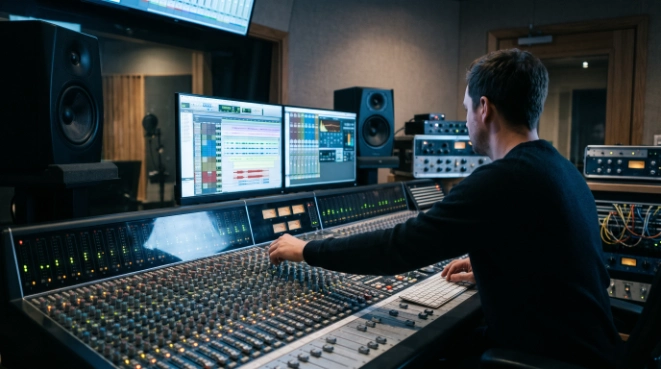
Music production usually follows a series of connected stages, although the exact workflow depends on the genre, project size, budget, and creative approach. Some recordings begin with a detailed arrangement, while others develop through experimentation in the studio.
The following stages provide a practical overview of how a music producer may help an independent artist develop a song.
The process can involve developing musical ideas, recording performances, editing tracks, mixing audio, and preparing the finished recording for distribution. Berklee Online provides a helpful overview of the music production process and its main stages.
1. Understanding the Song and Creative Vision
The process often begins with a conversation about the song and the artist’s goals. The producer may ask what the lyrics mean, what emotions the artist wants listeners to experience, and which musical influences have inspired the project.
These discussions help establish a creative direction. An artist may want a raw guitar-driven recording, a layered indie-pop arrangement, an atmospheric folk production, or a vocal-led track with blues influences.
The purpose is not to copy another artist’s sound. Instead, references help communicate qualities such as energy, instrumentation, vocal presence, or overall atmosphere.
A clear creative brief can also identify practical requirements, including the intended release format, available budget, expected timeline, and whether the artist already has a demo.
2. Evaluating the Demo
A demo provides an early representation of the song. It may contain a basic vocal, a guitar or keyboard part, programmed drums, or a rough arrangement created at home.
The producer listens for the song’s strengths and areas that may need development. These might include an unclear chorus, an inconsistent tempo, an arrangement that feels crowded, or a vocal melody that could benefit from more space.
Not every rough recording needs extensive changes. Sometimes the most useful production decision is to preserve the demo’s original character and improve only the elements that prevent the song from communicating effectively.
For independent artists, this stage can help distinguish between problems that require new creative decisions and problems that can be addressed during recording, editing, or mixing.
3. Developing the Arrangement
Arrangement determines how musical elements work together throughout a song. It can include decisions about song sections, instrumentation, rhythmic patterns, harmonies, instrumental breaks, and transitions.
A producer may suggest shortening an introduction, changing the intensity of a verse, building tension before the chorus, or removing an instrument that competes with the lead vocal.
Consider a song with a reflective verse and a powerful chorus. The arrangement might begin with a single instrument, introduce percussion gradually, and expand during the chorus. This contrast can make the chorus feel more impactful without requiring every section to become louder or more complicated.
The most effective arrangement depends on the song. A stripped-back acoustic performance may need very little instrumentation, while an energetic alternative-rock track may rely on layered guitars, drums, bass, and supporting textures.
4. Recording and Performance Development
Once the arrangement is sufficiently clear, the project moves into recording. Depending on the setup, this may happen in a professional studio, a home studio, or a combination of remote and in-person sessions.
The producer may help determine which performances should be recorded first, whether additional takes are needed, and how to maintain consistency across the session.
For vocal-led music, performance guidance can be particularly important. A producer might suggest adjusting phrasing, reducing unnecessary vocal ornamentation, emphasizing a particular lyric, or changing the intensity of a line.
The aim is to help the artist communicate the song more effectively while preserving a performance that feels genuine.
A producer should also recognize when a performance’s imperfections contribute to its character. Perfect technical consistency is not always the most important goal; the recording must serve the song and the artist’s intentions.
5. Editing and Production Refinement
After recording, the project may require editing and additional production work. This can include selecting the strongest takes, organizing performances, tightening timing where appropriate, refining transitions, and adding or adjusting musical layers.
Depending on the project, a producer might also use virtual instruments, programmed drums, synthesizers, sampled sounds, or additional recordings to develop the arrangement.
These choices should be guided by the creative brief rather than by the assumption that more layers automatically produce a better song.
An independent folk artist, for example, may prefer a natural recording with subtle supporting textures. An electronic artist may need detailed programming and sound design. Both approaches can be effective when the production choices fit the music.
6. Mixing, Mastering, and Final Delivery
Production decisions influence the later stages of a recording, but mixing and mastering are distinct services that should be discussed separately.
During mixing, the recorded elements are balanced and processed to create a cohesive listening experience. Mastering then prepares the approved mix for its intended release and distribution requirements.
A producer may oversee these stages, collaborate with specialists, or leave the technical work to the artist and their chosen engineers. The arrangement depends on the project and the services agreed upon in advance.
Before final delivery, the artist should confirm which files are included. Depending on the agreement, these may include the final mix, instrumental version, clean version, alternate edits, or other requested deliverables.
Clear communication at this stage helps prevent last-minute surprises and makes the finished recording easier to use for its intended release.
Why Independent Artists Work With a Music Producer
Independent musicians often balance several responsibilities at once. They may write songs, perform, manage social media, plan releases, communicate with collaborators, and handle budgets without the support of a large team.
A music producer can help organize the creative side of a project while bringing an outside perspective to decisions that are difficult to evaluate alone.
Turning an Idea Into a Complete Recording
A strong song idea does not always arrive as a finished arrangement. An artist may have a memorable melody and meaningful lyrics but be unsure which instruments, rhythms, or production techniques would best support them.
A producer can help explore these possibilities and establish a direction for the recording.
This is especially useful when an artist has a clear emotional message but limited experience arranging music. The producer’s role is to help translate that message into musical choices that listeners can hear.
Developing a Consistent Sound
Artists who release multiple songs may want their recordings to feel connected without making every track sound identical.
A producer can help identify recurring qualities in an artist’s work, such as vocal presentation, instrumentation, rhythmic preferences, or the balance between acoustic and electronic elements.
Consistency does not mean removing experimentation. Instead, it means making creative decisions that help the artist build a recognizable musical identity while allowing individual songs to retain their own character.
Making Better Use of Time and Resources
Recording can become expensive when decisions remain unresolved, arrangements change repeatedly, or collaborators misunderstand the project’s direction.
A producer can help establish priorities, prepare for sessions, and identify which changes are most likely to improve the recording.
However, hiring a producer is not automatically the cheapest or fastest option. Independent artists should compare the potential benefits with the project’s budget and consider whether they have the skills and time to manage the work themselves.
Bringing an Outside Perspective
Artists often become closely attached to their songs, which can make it difficult to evaluate them objectively. A producer can offer another perspective on the arrangement, pacing, performance, and overall listening experience.
Useful feedback should be specific and constructive. Instead of insisting that a song must follow a particular trend, a good collaborator explains why a suggested change might support the artist’s goals.
The artist remains central to the creative process. The strongest working relationship allows both parties to contribute ideas while maintaining a shared understanding of the intended result.
Supporting the Artist’s Creative Identity
A producer’s influence can be substantial, so choosing the right collaborator matters. An artist who values emotional vocals and minimal arrangements may not be comfortable with a producer who consistently pushes toward dense, highly processed sounds.
Neither approach is universally correct. The question is whether the producer understands the artist’s direction and has the ability to help achieve it.
Before beginning a project, independent musicians should discuss musical references, creative boundaries, communication preferences, revision expectations, budget, and credits.
A productive collaboration should help the artist express their identity more clearly—not pressure them into becoming a different kind of musician.
The Major Benefits of Working With a Music Producer
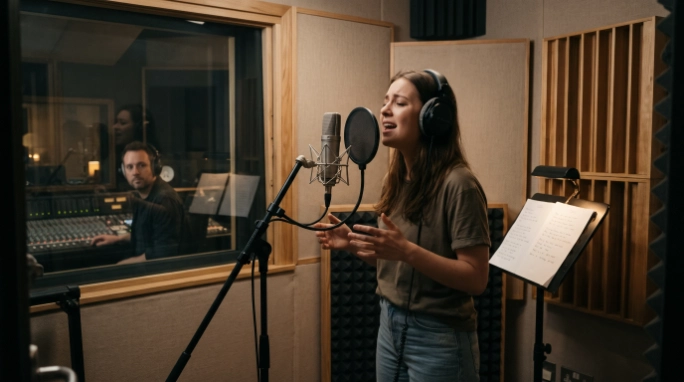
Working with a music producer can help independent artists turn creative ideas into more complete, cohesive recordings. The benefits depend on the producer’s experience, the artist’s goals, and the responsibilities agreed upon before the project begins.
Some musicians need help developing arrangements, while others want an experienced collaborator to guide recording sessions or identify weaknesses in an existing demo. Understanding these benefits can help artists decide whether professional production is the right investment for their music.
1. Improving the Overall Quality of a Song
A song can have meaningful lyrics and a memorable melody but still need work before it becomes an effective recording. The arrangement may feel unbalanced, the instrumentation may compete with the vocals, or the emotional impact may not develop as intended.
A producer helps evaluate these elements and identify practical improvements. They may recommend simplifying an instrumental section, strengthening the chorus, adjusting the rhythm, or giving the lead vocal more space.
These changes do not necessarily require expensive equipment. Sometimes the most important improvement comes from making better creative decisions.
For independent artists, this perspective can be particularly valuable when they have spent months developing a song and find it difficult to recognize what needs to change.
2. Strengthening Vocal Performances
For singer-songwriters, the voice often carries the central message of a recording. A technically accurate performance is useful, but the listener also needs to understand the emotion behind the words.
A producer may help an artist explore different vocal approaches, refine phrasing, adjust the intensity of a particular line, or decide where a performance should feel restrained rather than powerful.
For example, a song about personal loss might communicate its message more effectively through a quiet, intimate verse than through a consistently powerful vocal delivery. A producer can help the singer explore this contrast while preserving the authenticity of the performance.
Vocal production may also involve selecting the strongest takes, coordinating backing vocals, and discussing whether additional harmonies support the song.
The objective is not to make every singer sound the same. It is to help each artist communicate their individual musical identity as effectively as possible.
3. Creating More Effective Arrangements
Arrangement influences how listeners experience a song from beginning to end. The order of sections, introduction length, instrumental choices, rhythmic changes, and transitions can all affect the recording’s energy.
A music producer can help identify opportunities to make these elements work together.
Consider an independent rock artist whose song begins with a long instrumental introduction. If the introduction establishes atmosphere and builds anticipation, it may serve the song well. If it delays the main musical idea without adding anything meaningful, shortening it could improve the overall structure.
The same principle applies to indie pop, folk, soul, blues, and other genres. Effective arrangement is not about following a universal formula; it is about choosing the structure that supports the song’s purpose.
4. Developing a Recognizable Artistic Sound
Artists often want listeners to recognize their music without feeling that every release follows exactly the same formula.
A producer can help identify recurring characteristics that contribute to a recognizable sound. These may include vocal presentation, guitar textures, rhythmic patterns, instrumentation, production atmosphere, or the balance between acoustic and electronic elements.
For example, an artist who writes narrative-driven songs might favor arrangements that leave room for the lyrics. Another artist may build their identity around layered guitars, energetic drums, and expressive vocals.
The producer’s task is to understand what makes the artist distinctive and help translate that identity into the recording.
This can be especially useful when an independent musician is developing their first collection of songs and wants the recordings to feel connected while allowing each track to have its own character.
5. Organizing the Recording Process
Recording projects can become difficult to manage when there is no clear plan. Artists may spend too much time experimenting without making decisions, arrive at sessions unprepared, or discover late in the process that important elements are missing.
A producer can help establish a workflow that covers preparation, arrangement, recording, revisions, and final delivery.
The exact process depends on the project, but having agreed milestones makes it easier to understand what has been completed and what still requires attention.
Independent musicians can benefit from this structure because they often manage creative and administrative responsibilities simultaneously.
However, an organized process still requires cooperation. Artists should communicate clearly, prepare materials in advance, respond to feedback, and agree on realistic deadlines.
6. Identifying Creative Problems Earlier
It can be difficult to recognize weaknesses in a song when you are personally invested in every lyric, melody, and instrumental part.
An experienced producer can provide an outside perspective before problems become expensive to fix. They might notice that a verse repeats information already established elsewhere, that an instrument distracts from an important lyric, or that a transition makes the song feel unfinished.
Addressing these issues earlier may reduce unnecessary revisions during later stages.
Nevertheless, creative feedback should not be treated as an unquestionable instruction. Artists should understand the reasoning behind proposed changes and decide whether those changes serve their intentions.
A productive relationship encourages discussion rather than requiring the artist to accept every suggestion.
How a Music Producer Supports Different Types of Independent Artists
Not every musician needs the same kind of production support. The best collaboration depends on the artist’s experience, genre, recording setup, and current stage of development.
Singer-Songwriters
Singer-songwriters may already have strong lyrics, melodies, and chord progressions but need help building a complete arrangement.
A producer can explore instrumentation, tempo, backing vocals, dynamics, and transitions while keeping the central songwriting idea intact.
For an acoustic songwriter, this might mean adding subtle percussion and supporting textures. For a piano-led ballad, it could involve developing a gradual arrangement that reinforces the emotional progression of the lyrics.
Indie Rock Artists
Indie rock production often requires careful decisions about guitar tones, bass, drums, vocal placement, and the relationship between energy and clarity.
A producer may help determine whether guitars should sound raw and immediate or layered and atmospheric. They may also work with the band to create stronger contrasts between quieter sections and more energetic passages.
The goal is to support the band’s musical identity rather than force every recording into a standardized rock sound.
Indie Pop Artists
Indie pop projects may combine acoustic performances, programmed rhythms, synthesizers, vocal layers, and carefully developed arrangements.
A producer can help balance these elements so that the recording feels cohesive. They may also explore how repetition, texture, and changes in instrumentation contribute to the song’s character.
Because production can strongly influence the sound of pop-oriented recordings, artists should communicate their preferences clearly before extensive work begins.
Folk, Soul, and Blues Artists
For folk, soul, and blues musicians, performance, phrasing, instrumentation, and atmosphere can be central to the listening experience.
A producer may help preserve the character of a live performance while improving the recording’s balance and consistency. They might recommend a restrained arrangement, a different instrumental combination, or a recording approach that captures the desired intimacy.
The most appropriate production choices depend on the artist’s interpretation of the genre and the emotional qualities of the song.
How to Choose the Right Music Producer
Choosing a producer involves more than comparing prices or listening to a few impressive recordings. The artist needs someone whose experience, communication style, working process, and creative approach suit the project.
1. Define Your Project Goals
Before contacting producers, decide what you want to achieve.
Are you developing a rough demo, recording a single, preparing an EP, or creating a complete album? Do you need help with arrangement, recording, programming, vocal production, or creative direction?
Writing down these requirements helps you approach potential collaborators with a clear brief.
It also makes it easier to compare proposals because different producers may offer different services under the same general description.
2. Listen to Previous Work
Review recordings that a prospective producer has worked on. Pay attention to the aspects most relevant to your project.
If you are a singer-songwriter, consider how the producer handles vocals, lyrics, and instrumental space. If you are producing guitar-driven music, listen for the treatment of guitars, drums, dynamics, and overall energy.
Check whether the producer’s experience aligns with your needs, but do not assume that every artist in their portfolio received the same production treatment.
Ask which parts of a previous recording they handled and whether they can share examples that demonstrate their work on a project similar to yours.
3. Evaluate Creative Compatibility
Technical experience is important, but creative compatibility also affects the success of a collaboration.
Discuss your musical influences, preferred recording style, artistic priorities, and expectations. Ask how the producer approaches feedback and what happens when the artist disagrees with a suggestion.
A good working relationship allows both people to contribute ideas while respecting the artist’s creative direction.
Be cautious if a potential collaborator dismisses your goals without explanation or promises that their approach will automatically make your music successful.
4. Understand the Production Workflow
Ask how the producer typically manages a project.
Useful questions include:
- What should I prepare before production begins?
- How will we exchange demos and feedback?
- Which stages are included in the proposed service?
- How many revisions are included?
- Who will handle recording, editing, mixing, and mastering?
- What files will I receive at the end?
- What is the expected timeline?
Clear answers help establish realistic expectations and reduce the likelihood of misunderstandings.
5. Compare the Complete Value, Not Just the Price
The cheapest offer may not provide the services your project requires, while a higher fee does not automatically indicate a better fit.
Compare the producer’s relevant experience, scope of work, communication, deliverables, and expected level of involvement.
A producer who offers arrangement development and performance guidance may be useful for a project that needs creative support. An artist who already has a complete arrangement may require a narrower service.
The right choice is the one that meets your actual requirements within your available budget.
How Much Does a Music Producer Cost?
There is no single standard price for hiring a music producer. Costs vary according to experience, location, project complexity, recording requirements, deliverables, and the way the producer charges for their work.
Some producers charge a fixed fee per song, while others use hourly or daily rates. Certain projects may involve additional payments for studio time, session musicians, recording engineers, mixing, mastering, or specialized programming.
A fixed price can make budgeting easier when the scope of work is clearly defined. Hourly arrangements may suit projects that require flexible support, although the final cost can be less predictable if the work expands.
What Influences Production Costs?
The amount of creative development required: A song that needs extensive arrangement work may require more time than a fully developed demo.
The recording setup: Studio rental, specialized equipment, and session musicians can increase the overall budget.
The producer’s experience: Producers with substantial relevant experience or specialized skills may charge more, although rates should always be evaluated alongside the services provided.
The number of songs: Producing an album involves different planning and coordination requirements from producing a single track.
The included deliverables: A quote may cover production only or include additional services. Artists should confirm whether mixing, mastering, instrumental versions, stems, and revisions are included.
How Independent Artists Can Manage Their Budgets
Start by separating essential requirements from optional additions. Decide which parts of the project require professional assistance and which you can reasonably handle yourself.
Prepare lyrics, demos, reference tracks, and basic arrangement ideas before the first session. This can help reduce time spent resolving questions that could have been answered in advance.
Agree on a written scope of work, payment schedule, revision limits, delivery format, and expected completion date.
Most importantly, avoid committing to a production arrangement you cannot comfortably afford. A smaller, well-planned recording can be a better starting point than an ambitious project that cannot be completed.
Common Mistakes Independent Artists Should Avoid
Working with a producer can be rewarding, but unclear expectations and rushed decisions can create unnecessary problems. Independent artists can protect their time, money, and creative direction by addressing common issues before production begins.
Mistake 1: Choosing a Producer Only Because of Price
Price matters, especially for musicians working with limited budgets. However, choosing a producer solely because they offer the lowest fee may result in a mismatch between the service and the project’s requirements.
Instead, compare relevant experience, communication, working methods, and deliverables. Ask questions before committing, and make sure the proposed service addresses your actual needs.
Mistake 2: Failing to Explain the Creative Vision
Expecting a producer to understand your intentions without explaining them can lead to avoidable revisions.
Prepare a short creative brief that describes the song, its intended mood, relevant musical references, and the qualities you want to preserve.
References should communicate direction rather than demand an exact copy of another recording. Your own song should retain its distinct identity.
Mistake 3: Assuming Every Producer Provides Every Service
A producer may specialize in creative direction without offering professional mixing or mastering. Another may handle recording and programming but rely on outside engineers for later stages.
Before agreeing to a project, confirm exactly which services are included and who is responsible for any remaining work.
This is especially important when budgeting for a release because the production fee may not represent the total cost of preparing a finished track.
Mistake 4: Making Unlimited Changes Without a Plan
Experimentation is a natural part of music production, but repeated changes can increase costs and delay completion.
Agree on how feedback will be provided, how revisions will be handled, and who will approve major creative decisions.
When offering feedback, be specific. Instead of saying that a mix simply does not feel right, explain whether the vocal seems too distant, the arrangement feels crowded, or the song needs a different emotional intensity.
Clear feedback helps the producer understand the issue and propose a meaningful solution.
Mistake 5: Ignoring Credits and Ownership
Artists should never assume that production credits, songwriting credits, master ownership, and publishing rights are interchangeable.
These are separate matters that should be discussed according to the contributions made and the agreements between the parties.
Before work begins, document the agreed terms for credits, payment, ownership, licensing, and use of the finished recording. When the arrangement involves substantial financial commitments or complicated rights, consider obtaining appropriate professional legal advice.
A clear agreement protects both the artist and the producer by establishing expectations before disagreements arise.
Mistake 6: Losing Your Artistic Identity
Producers bring their own experience and preferences to a project, but the artist should not feel pressured to abandon their creative identity without good reason.
Listen carefully to suggestions, ask questions, and consider the potential benefit of each change. If a proposed direction consistently conflicts with your goals, discuss the disagreement openly.
The best production relationship improves the song while preserving what makes the artist’s work distinctive.
Practical Steps Before Hiring a Music Producer
Before reaching out to potential collaborators, use the following checklist to prepare your project.
- Complete a basic demo. Record the song in a form that communicates its melody, structure, lyrics, and intended direction.
- Write a creative brief. Describe the mood, genre influences, instrumentation, and key qualities you want the final recording to express.
- Set a realistic budget. Identify the amount available for production and reserve funds for any additional services needed to complete the release.
- Research relevant producers. Listen to their previous work and identify examples that demonstrate skills related to your project.
- Ask for a clear proposal. Confirm the scope of work, payment terms, revision process, timeline, and deliverables.
- Discuss credits and rights. Put important agreements in writing before recording begins.
- Prepare your materials. Organize lyrics, demos, reference tracks, session files, and any other information the producer needs.
- Agree on communication. Decide how feedback will be shared, how often progress will be reviewed, and who will approve final decisions.
- Review progress at key stages. Check that the production continues to reflect your creative brief before moving too far into the next stage.
- Confirm final delivery. Make sure you understand which files and versions you will receive and whether any additional services remain outstanding.
Preparation does not eliminate every challenge, but it creates a stronger foundation for a productive collaboration.
Final Thoughts on Working With a Music Producer
A music producer can help independent artists develop arrangements, improve performances, organize recording sessions, and make thoughtful decisions about the sound of a song. The value of that relationship depends on the project’s needs and the quality of the collaboration.
Not every musician needs to hire a producer. Artists with the necessary skills, equipment, time, and creative confidence may prefer self-production. Others may benefit from bringing in a collaborator who can identify opportunities, contribute specialized knowledge, or help turn a promising demo into a more complete recording.
The most important decision is to identify what your music needs before choosing how to produce it.
When independent artists understand the producer’s responsibilities, prepare their projects carefully, and establish clear agreements, they are better positioned to make informed decisions and protect their creative vision throughout the recording process.
Frequently Asked Questions About Music Producers
1. What does a music producer do?
A music producer guides the creative development of a song or recording project. Depending on the project, responsibilities may include developing arrangements, selecting instruments, guiding performances, coordinating recording sessions, and overseeing production decisions. Some producers also record, edit, mix, or master music, while others specialize in creative direction.
2. What is the difference between a music producer and a beatmaker?
A beatmaker primarily creates instrumental beats, rhythmic patterns, and musical foundations, often using digital audio workstations, samples, and virtual instruments. A music producer may perform these tasks but can also oversee broader aspects of a recording, including arrangement, vocal production, performance direction, and collaboration with other musicians.
The roles can overlap. Some artists hire a beatmaker to create an instrumental and then work with a producer to develop the complete song.
3. What does a music producer do for independent artists?
For independent artists, a music producer can help transform a demo into a more developed recording. They may suggest arrangement changes, improve the flow of a song, guide vocal performances, coordinate musicians, and help establish a consistent sound.
The exact responsibilities depend on the artist’s needs and the agreement. Independent musicians should confirm which services are included before production begins.
4. How do I become a music producer?
Learning music production usually involves developing musical knowledge, understanding recording technology, practicing arrangement, and becoming familiar with audio editing and mixing.
Beginners can start with a digital audio workstation, basic recording equipment, and simple projects. Recreating practice arrangements, experimenting with different sounds, and completing original tracks can help develop practical skills.
Listening critically to different genres is also valuable. Pay attention to how instruments interact, how songs build energy, and how vocal performances are supported by the arrangement.
Over time, aspiring producers can develop a portfolio, collaborate with musicians, and learn how to manage creative projects professionally.
5. Do I need a degree to become a music producer?
A degree is not universally required to work as a music producer. Some producers study music, audio engineering, or music technology through formal programs, while others develop their skills through independent learning, practical experience, and collaboration.
Formal education can provide structured instruction and access to equipment or industry connections. However, practical ability, communication, a strong portfolio, and the capacity to complete projects are also important.
The best learning path depends on your goals, available resources, and preferred working environment.
6. How do I find a music producer?
Start by identifying the type of support your project requires. You might need help with arrangement, beat production, vocal production, recording, or creative direction.
Listen to producers’ previous work and look for experience that aligns with your genre and artistic goals. Ask potential collaborators about their workflow, pricing, included services, revision policy, and delivery expectations.
You can explore professional music networks, artist communities, producer portfolios, and recommendations from musicians you trust. Before paying for a full project, ensure that the working arrangement, responsibilities, and rights are clearly documented.
7. How much does a music producer charge per song?
Music production fees vary considerably. The cost depends on the producer’s experience, the amount of work required, the number of musicians involved, the recording setup, and the services included.
Some producers charge a fixed fee per song, while others use hourly or daily rates. Mixing, mastering, studio rental, session musicians, and additional revisions may cost extra.
Request a written quote that explains the scope of work and final deliverables. Comparing the complete service is more useful than comparing prices alone.
8. Can I produce my own music without hiring a producer?
Yes. Independent artists can produce their own music if they have the necessary skills, equipment, time, and willingness to learn.
A basic home setup may include a computer, digital audio workstation, headphones, a suitable microphone, and an audio interface when required. The exact equipment depends on whether you record vocals, acoustic instruments, electronic music, or other sources.
Self-production offers creative control and can reduce some external costs. However, it also requires time to learn recording techniques, arrangement, editing, and mixing.
Some artists choose a hybrid approach: they produce their own demos and hire a professional for specific tasks that require additional expertise.
9. What software do music producers use?
Music producers commonly use digital audio workstations, or DAWs, to record, arrange, edit, and develop musical ideas. Examples include Ableton Live, Logic Pro, FL Studio, and Pro Tools.
The right software depends on the producer’s workflow, preferred features, computer compatibility, and budget. No single program is essential for every genre or project.
Producers may also use virtual instruments, sample libraries, audio effects, and other tools. However, software alone does not guarantee a strong recording. Musical judgment, arrangement, performance, and deliberate creative choices remain essential.
10. Does a music producer own the song?
Hiring a music producer does not automatically mean that the producer owns the entire song. Ownership and compensation depend on the agreement, the parties’ contributions, and applicable law.
Several rights may be involved, including copyright in the underlying composition, ownership of the sound recording, songwriting credits, and any agreed royalties or other payments.
If a producer contributes original lyrics or melody, the songwriting arrangements may differ from a project in which the producer only provides production services. Artists should document credits, ownership, licensing, and payment terms before work begins.
For complicated agreements, professional legal advice can help clarify the rights and obligations of everyone involved.
11. What should I send a music producer before starting a project?
Prepare whatever materials best communicate your song and creative goals. Depending on the project, these may include:
- A demo recording.
- Lyrics and chord progressions.
- Tempo and key information, if known.
- References to recordings that communicate your preferred sound.
- Notes about the song’s mood, genre, and intended audience.
- A description of what you want the producer to help accomplish.
- Your estimated budget and preferred timeline.
You do not need to have every technical detail figured out before contacting a producer. The purpose of the initial discussion is to explain your goals and establish what needs to happen next.
12. How long does it take to produce a song?
The time required depends on the song’s complexity, the number of people involved, the recording arrangements, and the amount of revision needed.
A relatively simple project may move quickly when the arrangement and performances are ready. A more complex production involving several musicians, extensive programming, multiple vocal layers, or significant creative development may take much longer.
Delays can also occur when feedback is unclear, collaborators are unavailable, or the scope changes during production.
Agreeing on milestones, responsibilities, and a realistic timeline can help keep the project organized without sacrificing necessary creative work.
13. Can I work with a music producer remotely?
Yes. Remote music production allows artists and producers to collaborate without being in the same physical location.
An artist can send demos, vocal recordings, instrumental tracks, or project files to a producer who develops the arrangement or provides production feedback. Files can then be exchanged for revisions and approval.
Successful remote collaboration requires clear communication, compatible file formats, organized session materials, and agreed expectations about deadlines and deliverables.
Artists should also discuss whether the producer needs individual audio stems, complete project files, or reference mixes before work begins.
14. How do I know if I need a music producer?
Consider hiring a producer if you have a promising song but are unsure how to develop its arrangement, struggle to achieve the sound you want, or need help coordinating a recording project.
A producer may also be useful when you want an experienced outside perspective or need support guiding musicians and vocal performances.
However, if you already have the skills, equipment, and time to manage your project, self-production may be a practical alternative.
Before making a decision, identify the specific problem you need to solve. This helps you determine whether you need a full production service, a consultation, an engineer, a mixing specialist, or simply more time to develop your own skills.
Quick Summary: Understanding the Role of a Music Producer
A music producer helps guide the creative development of a song and coordinates the decisions needed to turn an initial idea into a finished recording.
For independent artists, the producer’s contribution may include:
- Developing the arrangement and overall sound.
- Guiding vocal and instrumental performances.
- Coordinating recording sessions and collaborators.
- Identifying creative improvements.
- Helping maintain a consistent artistic direction.
- Supporting communication throughout the production process.
Producers have different skills and working methods, so artists should evaluate their experience, creative compatibility, services, and fees before choosing a collaborator.
Understanding production costs, responsibilities, credits, and ownership is equally important. Clear agreements help prevent misunderstandings and allow everyone involved to concentrate on creating the best possible recording.
Most importantly, hiring a producer is a creative decision rather than a universal requirement. Some musicians benefit from professional collaboration, while others prefer to develop their own production skills.
The right approach is the one that supports the song, respects the artist’s vision, and fits the project’s available resources.
Final Thoughts
Independent music production gives artists more opportunities to develop their sound, experiment with arrangements, and release recordings that reflect their creative identity. Yet creative freedom also requires musicians to make informed decisions about their process, collaborators, and resources.
A music producer can contribute valuable experience, fresh perspective, and practical organization to this process. From refining a demo to guiding a complete recording project, their work can help artists recognize possibilities they might not have considered independently.
Nevertheless, a successful recording depends on more than hiring the right person. It also requires a clear creative direction, thoughtful preparation, effective communication, and a shared understanding of the project’s goals.
For emerging singer-songwriters, indie rock musicians, indie pop artists, and other independent performers, learning how production works is a useful step toward building a sustainable creative practice.
You do not need to understand every technical detail before beginning a project. Start by identifying what your song needs, learning which tasks you can handle yourself, and finding the right support for the areas where you need assistance.
Whether you collaborate with an experienced producer or develop your own skills through self-production, keep the song’s purpose at the center of your decisions.
The strongest production choices are those that help the music communicate clearly while preserving the individuality of the artist behind it.