Independent musicians need more than good songs to present themselves professionally. When an artist contacts music journalists, event organizers, bloggers, playlist curators, venues or potential collaborators, they need a clear and convenient way to share their music, biography, photographs and professional information. This is where an electronic press kit becomes useful.
Learning how to create an electronic press kit helps independent artists organize their most important information into one professional resource. Instead of sending scattered links, lengthy messages and separate files, musicians can provide a central page that introduces their sound, background, achievements and contact details.
An effective electronic press kit, commonly called an EPK, can support music promotion, media outreach, booking enquiries and professional networking. It does not guarantee coverage, bookings or industry recognition, but it can make an artist easier to understand, evaluate and contact.
For independent musicians building their careers without the resources of a major record label, this type of professional presentation can be especially valuable.
Quick Answer: How to Create an Electronic Press Kit
To create an electronic press kit, prepare a concise artist biography, professional photographs, music samples, selected videos, notable achievements, press coverage if available, and accurate contact information. Organize these materials on a dedicated website page or in a well-structured digital document that is easy to access and share.
Your EPK should explain who you are as an artist, what makes your music distinctive, which releases listeners should explore and how interested professionals can contact you.
A practical electronic press kit should include:
- A short and informative artist biography.
- High-quality artist photographs.
- Links to selected songs and music videos.
- Current releases and important career highlights.
- Genuine press coverage, reviews or testimonials, if available.
- Booking and professional contact information.
- Relevant social media and official website links.
Keep the information accurate, visually consistent and easy to navigate. Review your EPK whenever you release new music, achieve a meaningful milestone or update your professional contact details.
Key Takeaways
- An electronic press kit gives independent artists a central place to present their music and professional information.
- A strong EPK combines an engaging biography, quality photographs, selected music, relevant achievements and clear contact details.
- Independent artists do not need a long list of awards or press features to create a professional press kit.
- The content should reflect the artist’s actual musical identity, audience and career stage.
- An online EPK should be easy to open on mobile devices and simple to share with journalists, venues and collaborators.
- Music links, photographs and downloadable assets should work correctly and have permission for professional use.
- A press kit supports music promotion, but it cannot guarantee media coverage, bookings or playlist placements.
- Keeping the EPK updated makes it a more useful long-term resource for an independent music career.
What Is an Electronic Press Kit?
An electronic press kit is a digital collection of professional information and promotional materials about an individual artist, band or music project. It is designed to help people quickly understand the artist’s identity, music, background and professional relevance.
An electronic press kit may be hosted on an artist’s website, presented through a dedicated online page or shared as a digital document. The format can vary, but the purpose remains the same: to make useful artist information accessible in one organized place.
For independent musicians, an EPK can act as a professional introduction. A journalist researching a potential feature may need a biography and photographs. A venue considering a performance may want to hear the artist’s music and understand the type of audience they attract. A blogger reviewing an upcoming release may need the release details, artwork and a reliable link to listen.
Rather than preparing a different collection of materials for every enquiry, artists can maintain a central press kit and share the most relevant sections with each contact.
Electronic Press Kit vs. Traditional Press Kit
A traditional press kit generally consists of printed promotional materials, physical photographs, written information and other items distributed in a physical package.
An electronic press kit presents comparable information digitally. Recipients can access it through a website link or a digital file without waiting for printed materials to arrive.
For independent artists, digital access can be convenient because the same press kit can be shared through email, professional enquiries and an artist’s website. Its contents can also be updated without reprinting an entire package.
However, a digital format still requires thoughtful organization. A page filled with unrelated links, oversized files and unnecessary information can be difficult to use. The goal is not simply to place everything online; it is to make the right information easy to find.
Who Needs an Electronic Press Kit?
An EPK can benefit artists at different stages of their careers.
Emerging independent musicians can use one to introduce their sound, explain their creative direction and share their first releases professionally.
Singer-songwriters can highlight original songs, songwriting influences, performance videos and the stories behind selected releases.
Independent bands can present their members, musical style, live performance experience and current projects.
Established independent artists can use an updated press kit to organize recent releases, selected media coverage, important achievements and booking information.
Artists preparing for live performances can include a live video, performance history, stage setup information and other details relevant to venue organizers.
An artist does not need to be famous to benefit from an EPK. What matters is having a clear purpose for the kit and providing accurate information that helps the intended audience understand the project.
Why an Electronic Press Kit Matters for Independent Music Artists
Independent artists often manage several responsibilities themselves, including writing songs, recording music, coordinating releases, creating promotional content and communicating with potential industry contacts.
A professional press kit can make these activities more organized by reducing the need to assemble the same information repeatedly.
It Creates a Professional First Impression
First impressions are not determined by design alone. The clarity of an artist’s biography, the quality of the music links and the accuracy of the contact information all influence how easily another person can understand the project.
A concise EPK shows that an artist has taken the time to organize their professional materials. It helps a recipient identify the music, understand the artist’s direction and decide whether further discussion is relevant.
Professional presentation does not mean pretending to have a larger career than you do. An emerging artist can create a strong impression through honest information, carefully selected songs and clear communication.
It Makes Music Promotion More Organized
An independent artist may contact different types of professionals over time, including local music publications, event organizers, independent music bloggers, radio programmes and potential collaborators.
Each recipient may need slightly different information. A journalist may prioritize the artist’s background and new release, while a venue may be more interested in live performance experience.
A central EPK makes it easier to locate the relevant information and share it when needed. Artists can also create tailored messages for different recipients without rebuilding the entire press kit for each enquiry.
The press kit should support the outreach message rather than replace it. A personalized email explaining why the artist is contacting a particular publication or venue is usually more useful than sending an identical message to everyone.
It Helps Communicate an Artist’s Musical Identity
An artist’s identity includes more than a genre label. It may involve songwriting themes, vocal style, production choices, performance approach and the perspective that connects different releases.
An EPK gives musicians a place to communicate these elements consistently.
For example, an indie folk singer-songwriter might emphasize original storytelling, acoustic arrangements and intimate live performances. An indie rock band might focus on its sound, current recordings, performance energy and upcoming shows.
These descriptions should reflect the actual music rather than rely on exaggerated promotional language.
When an artist’s biography, selected songs, photographs and videos support the same musical identity, the overall presentation becomes easier to understand.
It Supports Media and Booking Enquiries
A journalist or venue organizer may have limited time to investigate every artist who contacts them. An organized press kit can reduce the effort required to find essential information.
For media enquiries, useful materials might include a concise biography, release information, selected photographs and direct listening links.
For performance enquiries, relevant details might include a live video, location, performance format, previous shows and a booking contact.
Not every EPK needs every possible asset. Artists should prioritize the information that is most relevant to the opportunities they are pursuing.
A well-prepared press kit can make professional communication smoother, although the final decision to publish a feature, offer a performance or pursue a collaboration remains with the recipient.
What Should an Electronic Press Kit Include?
Before learning how to create an electronic press kit in detail, identify the essential materials your particular music project needs.
The best structure depends on your career stage, musical style and goals. A new singer-songwriter preparing a debut single may need a different press kit from an established band seeking festival bookings.
1. A Clear Artist Biography
Your biography should introduce the artist or music project in a concise and informative way.
Include the name you perform under, your musical direction, relevant background and the aspects of your work that help explain your identity. If you have released notable music or achieved meaningful milestones, mention them accurately.
Avoid turning the biography into a long personal history. Readers should be able to understand the essential information without searching through several paragraphs.
It can be useful to prepare a short biography for email introductions and a slightly longer version for the main EPK. Both versions should communicate the same identity and use consistent information.
2. Professional Artist Photographs
Photographs help publications, event organizers and other professionals identify and represent the artist.
Choose images that reflect your current appearance and artistic presentation. Depending on your needs, you might include a primary portrait and one or two additional promotional photographs.
Use high-quality files and provide clear filenames. If a publication requests a particular image format or resolution, supply a suitable version.
Before distributing photographs, confirm that you have the necessary rights and permissions. If a photographer requires credit, communicate that requirement clearly.
3. Selected Music and Video Links
The music is central to a music artist’s press kit.
Choose a small number of representative tracks that communicate your sound effectively. If you are promoting a new release, place that release prominently. You can also include a live performance video or an official music video when it helps demonstrate your artistic identity.
Use links that open correctly and do not require unnecessary steps before the recipient can listen.
You do not need to include every song you have ever recorded. Select material that best supports the purpose of the EPK and makes it easy for a new listener to understand your work.
4. Release Information and Career Highlights
List the releases or achievements most relevant to your current goals.
Depending on your experience, these may include a recent single, an EP, an album, an upcoming performance, a notable collaboration or a meaningful professional milestone.
Emerging musicians should not feel pressured to invent impressive statistics or claim recognition they have not received. A clear introduction to a genuine new release can be more useful than a long list of unrelated details.
Keep release dates, song titles, credits and other factual information consistent with the details published on your official music platforms.
5. Professional Contact Information
An EPK should make it straightforward for interested people to contact the artist.
Provide a professional email address or another reliable contact method. If you have a booking representative, manager or press contact, include the appropriate details.
Check the contact information regularly. An otherwise excellent press kit becomes less useful if messages go unanswered because the listed email address is no longer active.
6. Relevant Press Coverage and Reviews
If your music has been featured in publications, reviewed by credible music writers or discussed through relevant media coverage, you can include selected examples.
Use accurate descriptions and link directly to the original coverage whenever possible.
If you are a new artist without press coverage, leave this section out or focus on other relevant materials. Do not create fake reviews, imply that a publication endorsed your music when it did not, or present paid promotional placements as independent editorial coverage.
Trustworthy information is more valuable than an impressive-looking but misleading press kit.
7. Official Website and Social Media Links
Include the channels that help recipients explore your work further.
These might include your official artist website, primary music profiles, a video channel and one or two social platforms you actively maintain.
Prioritize useful destinations rather than listing every account you have created. Make sure the profiles use consistent artist information and that their links are current.
An EPK works best when it connects naturally with the rest of your online presence, giving interested people a clear path from the introduction to the music and professional contact information.
How to Create an Electronic Press Kit Step by Step
Understanding what an electronic press kit contains is the first step. The next is organizing those materials into a professional resource that reflects your music, career goals and artistic identity.
When learning how to create an electronic press kit, independent artists should focus on clarity, relevance and accessibility. A press kit does not need expensive design or complicated technology. It needs the right information, presented in a format that helps people understand the artist quickly.
The following steps will help you build an EPK that supports music promotion, professional communication and future opportunities.
Step 1: Define the Main Purpose of Your EPK
Before collecting photographs or writing your biography, decide what you want your press kit to accomplish.
An EPK created to promote a new single may emphasize the release date, song description, official artwork and music links. An EPK designed for live bookings may prioritize performance videos, stage experience, location and booking contact details.
If you want to introduce your overall musical identity, your biography, selected songs, artist photographs and career highlights may deserve greater attention.
Ask yourself three questions:
- Who is most likely to receive this press kit?
- What information will help that person evaluate my music or project?
- What action would I like the recipient to take after viewing it?
Your answers will determine which materials belong at the top of the page and which can appear further down.
An artist can maintain one primary EPK and adjust the introduction or selected materials for specific opportunities. This approach keeps information consistent without making every outreach message identical.
Step 2: Write a Professional Artist Biography
Your artist biography should explain who you are, what kind of music you create and what makes your work worth exploring.
A useful biography usually answers four questions:
- What is your artist or band name?
- What musical styles or creative themes characterize your work?
- Which releases, experiences or milestones are relevant?
- What should a new listener explore first?
The answers should be specific enough to distinguish your project from other artists.
For example, instead of writing, “I am a passionate musician who loves creating unique music,” explain the actual characteristics of your sound, songwriting or performance approach.
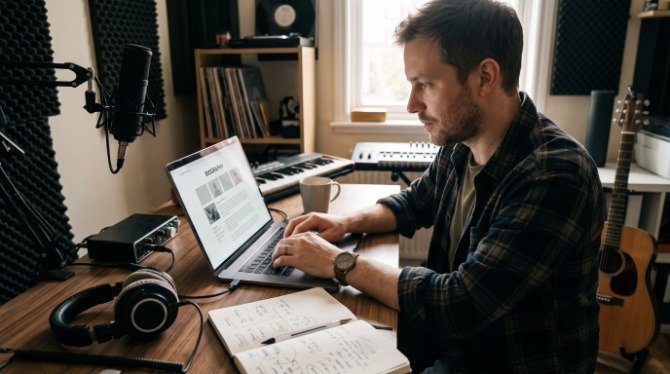
A singer-songwriter might describe a focus on personal storytelling, acoustic arrangements and reflective lyrics. An independent rock artist might emphasize energetic performances, guitar-led production and original songwriting.
These descriptions are examples, not formulas. Choose words that accurately represent your music.
Create Short and Long Biography Versions
A short biography can be useful in email introductions, event listings and compact press materials. A longer biography may suit your website’s EPK page when additional background helps explain your creative direction.
Keep both versions consistent. If you mention a release, achievement or musical influence in one version, ensure that the information is accurate and does not contradict the other.
Avoid filling the biography with unnecessary personal history, unsupported superlatives or keyword-heavy phrases. The purpose is to introduce the artist naturally, not to turn the biography into a list of search terms.
Step 3: Select the Right Music for Your Press Kit
Your music should be one of the easiest things to find in your EPK.
Choose a small selection of tracks that represents your current artistic direction. If you are promoting a particular release, make it prominent. If your work spans different styles, select songs that demonstrate your range without making your identity confusing.
Consider these questions when choosing tracks:
- Does this song represent the sound I want people to associate with my project?
- Is the recording ready to be shared professionally?
- Does the track fit the purpose of this press kit?
- Is the listening link reliable and accessible?
- Have the relevant songwriting, recording and ownership details been handled appropriately?
Where possible, direct recipients to official artist profiles or reliable listening pages.
You can include music streaming links, official music videos or other appropriate listening options. Choose the format that is most convenient for your intended audience.
Avoid embedding so many songs that recipients must spend several minutes searching for the most relevant material. A focused selection makes the experience easier.
Spotify for Artists provides tools and guidance that can help musicians manage their artist presence and share their music professionally through Spotify for Artists.
Make Your Featured Release Easy to Find
If your press kit supports a new single, EP or album, place the relevant release near the top of the page.
Include the correct title, release date where applicable, a short description and a working listening link. If the release has an official music video, add it when it contributes to the presentation.
Your introduction should explain why the release matters to your current artistic direction without making exaggerated claims about its popularity or impact.
Step 4: Prepare High-Quality Artist Photographs
Visual presentation is an important part of an electronic press kit because publications, event organizers and other professionals may need photographs for articles, listings or promotional materials.
Start with a clear primary artist photograph. Depending on your project, you may also provide an alternate portrait, a band photograph or an image from a performance.
Choose photographs that reflect your current artistic identity. Consistent visual presentation across your EPK, official website and artist profiles can make your project easier to recognize.
Keep the following details in mind:
- Use clear, high-resolution images suitable for their intended purpose.
- Avoid excessive filters that make the artist difficult to recognize.
- Use descriptive filenames rather than strings of random characters.
- Confirm that the photographer has granted the necessary usage rights.
- Include photo credit information when required.
- Make sure the images display properly on mobile devices.
If a journalist or publication requests a particular file size, format or resolution, provide an appropriate version.
Do not assume that every photograph found online is free to reuse. Having access to an image does not automatically grant permission to distribute it.
Step 5: Include Useful Videos and Live Performance Materials
Videos can help communicate aspects of an artist’s work that a biography and studio recording cannot fully demonstrate.
An official music video may introduce the artist’s visual direction. A live performance recording may help a venue understand the project’s stage presence. A simple acoustic performance can demonstrate vocal delivery and musicianship.
Select videos according to the purpose of your EPK.
For a media-focused press kit, a relevant official video may be sufficient. For a booking-focused press kit, a strong live performance clip may be more useful than several unrelated promotional videos.
Check that each video link works and opens the intended content. Give the recipient enough context to understand what they are watching.
You do not need a large video collection. One or two carefully selected videos can be more effective than a long list of material that does not support your goals.
Artists can explore YouTube’s official resources for presenting music videos and developing a more effective artist channel strategy.
Step 6: Organize Career Highlights and Press Coverage
Your press kit should communicate progress without overstating your achievements.
Relevant highlights might include a recent release, a meaningful collaboration, a completed tour, a notable performance or coverage from a legitimate music publication.
Arrange information so that the most relevant or recent details appear first.
If you have received genuine press coverage, provide links to the original articles or interviews. If a publication has reviewed your music, identify the source accurately and avoid implying that a neutral review was an endorsement.
If you are an emerging artist without media coverage, you can omit this section or use the space for other relevant information.
A press kit does not become professional simply because it contains many achievements. Its value comes from the relevance, accuracy and usefulness of the information.
Step 7: Add Clear Contact and Booking Information
A press kit should make the next step obvious.
If someone wants to interview you, book a performance or ask about a release, they should not have to search through several social profiles to discover how to reach you.
Include a professional email address and identify its purpose where necessary. For example, you might specify whether the address is intended for general enquiries, bookings or press communication.
If a manager or representative handles professional enquiries, include the correct contact details with their permission.
Before sharing the EPK, test the email address and any contact forms. Check that the information is current and that messages can be received.
You can also include links to your official website and relevant artist profiles. Keep these links selective and functional rather than listing every platform where you have an account.
Step 8: Choose the Best Format for Your EPK
Independent artists can present their electronic press kits in different formats. The best choice depends on the intended audience and the materials that need to be shared.
Option 1: A Dedicated EPK Page on Your Website
A dedicated website page can be a practical long-term option.
It provides a central destination for your biography, music, photographs, videos and professional contact information. You can update the page as your career develops without having to distribute a completely new document every time.
A website-based EPK can also connect naturally with your artist biography, discography, upcoming shows and official music links.
Keep the page focused. Avoid unnecessary pop-ups, confusing navigation or design elements that prevent visitors from accessing the important information.
Option 2: A Downloadable PDF
A PDF can be useful when a recipient specifically requests a downloadable press kit or needs a compact document for reference.
Keep the layout clean, use readable typography and avoid excessively large images that make the file difficult to share.
Include clickable links where appropriate, and ensure that important contact information remains readable on smaller screens.
A PDF is not a substitute for checking the underlying links. Test the final document before sending it.
Option 3: A Shared Digital Folder
A shared folder may be useful when an authorized recipient needs access to several separate assets, such as photographs, artwork or press materials.
Use clear filenames and a logical folder structure. Check the sharing permissions to ensure that recipients can open the files without unnecessary access requests.
A folder full of unlabelled documents is not a complete press kit by itself. Provide an introduction or index that explains what each item contains.
For many independent artists, a dedicated website page supported by a small collection of downloadable assets provides a convenient starting point. However, follow the recipient’s preferred format whenever one is specified.
How to Design an Electronic Press Kit That Looks Professional
A professional EPK does not require elaborate graphics or expensive design software. The main objective is to present information in a way that is visually consistent, readable and easy to navigate.
Keep the Layout Simple
Use a clear visual hierarchy so visitors can quickly locate the biography, music, photographs and contact information.
A practical order might be:
- Artist name and short introduction.
- Featured release or representative music.
- Artist biography.
- Photographs and selected videos.
- Career highlights or relevant press coverage.
- Contact details and official links.
You can adjust this order to match your goals. An artist seeking live bookings may want performance materials and booking information to appear earlier.
Use Consistent Visual Branding
Your EPK should feel connected to your existing artist identity.
Use a consistent artist name, recognizable imagery and a restrained selection of colors and fonts. Your press kit does not need to look identical to every social media post, but the materials should clearly belong to the same music project.
Avoid visual effects that make the content difficult to read. The artist’s music and identity should remain the focus.
Make the EPK Mobile-Friendly
Many people access professional links from phones or tablets. A press kit that works only on a desktop computer can create unnecessary friction.
Check the page on different screen sizes. Make sure the text is readable, the buttons are easy to tap and the music or video links work correctly.
If the page includes large images, optimize them appropriately without compromising their intended quality.
A mobile-friendly layout improves usability for both human visitors and professionals reviewing your materials while working on the move.
Make Every Link Work
Broken links can undermine an otherwise well-organized press kit.
Before sharing it, test every music link, video, social profile, downloadable file and contact method.
Check that the correct release appears, the intended artist profile opens and any shared documents have the right permissions.
Repeat these checks after significant updates. A press kit is a professional resource, so its links should remain dependable.
How to Use Your EPK for Music Promotion
Creating an electronic press kit is only one part of the process. You also need to share it with people for whom the information is relevant.
Independent musicians can also explore the Bandcamp Artist Guide for information about presenting their music and connecting with listeners.
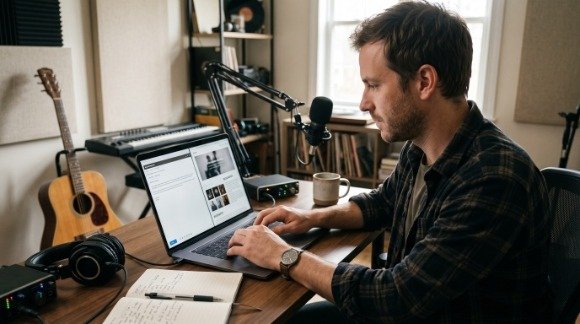
Personalize Your Outreach
When contacting a music publication, blogger, venue or potential collaborator, explain briefly why you are reaching out.
Mention the relevant release, performance opportunity or aspect of your project. Include the EPK link where it is useful, and make the next step clear.
A personalized message demonstrates that you have considered the recipient’s work and audience. Sending the same generic pitch to a large list of unrelated contacts is less likely to communicate a meaningful reason for engagement.
Match the Materials to the Recipient
Different recipients may need different information.
A music journalist may be interested in the story behind a release, an artist biography and suitable photographs. A venue organizer may need a live performance video, booking contact and details about the performance format.
A potential collaborator may want to hear representative tracks and understand the creative direction of your project.
Use your EPK as the central resource, but draw attention to the materials most relevant to each enquiry.
Keep Your Communication Professional
Use a clear subject line, concise wording and an appropriate greeting.
Avoid sending unnecessarily large attachments when a reliable link is sufficient. If a recipient specifies a submission process or preferred format, follow those instructions.
Keep a simple record of your outreach so you know whom you contacted, when you contacted them and whether a follow-up is appropriate.
Professional communication is about relevance, clarity and respect for the recipient’s time, not about sending the largest possible number of messages.
How Often Should You Update an Electronic Press Kit?
Your EPK should change as your music career develops.
Review it whenever you release a significant new project, update your official artist photographs, complete a relevant milestone or change your professional contact information.
You should also check the links periodically, even if you have not released new music.
An outdated press kit can create confusion when it features an old release as the main project, lists an inactive email address or includes information that no longer represents your musical direction.
You do not need to redesign the entire EPK after every small change. In many cases, updating the relevant section and testing the page is enough.
The goal is to maintain a reliable professional introduction that reflects your current work.
Building a Press Kit That Grows With Your Music Career
An effective electronic press kit should reflect the stage of your career rather than an imagined version of it.
An emerging artist may begin with a short biography, one or two strong tracks, suitable photographs and a working contact address. As the artist releases more music and gains experience, the press kit can expand to include additional performance videos, relevant press coverage, collaborations and other meaningful milestones.
This gradual approach prevents the process from becoming unnecessarily expensive or complicated.
The most useful EPK is not necessarily the longest or most visually elaborate. It is the one that helps the right person understand the music, find the relevant materials and take an appropriate next step.
For independent musicians, a clear press kit can become a dependable part of their broader professional workflow. When it is supported by relevant outreach, consistent artist information and music that reflects a clear creative direction, it can help make professional communication more organized and effective.
Common Electronic Press Kit Mistakes Independent Artists Should Avoid
Creating an electronic press kit is an important step toward presenting your music professionally, but several common mistakes can make it less useful. An EPK should help people understand your musical identity, explore your work and contact you without unnecessary effort.
When learning how to create an electronic press kit, independent artists should focus not only on what to include but also on what to avoid. A press kit filled with outdated information, broken links or irrelevant materials can create a confusing first impression.
Understanding these mistakes can help you build a more organized, effective and professional resource.
1. Including Too Much Information
One common mistake is treating an EPK as a complete personal history. Artists may include every performance, every release, every social media account and every detail about their creative journey.
Although background information can be valuable, recipients often need only a concise introduction and a few relevant materials to understand the project.
Focus on the information that supports your current goal. If you are promoting a new single, prioritize the release, artist biography, photographs and relevant music links. If you are seeking live bookings, make your performance materials and booking contact easy to find.
You can maintain additional information on your website and link to it when appropriate.
2. Using an Unclear or Outdated Artist Biography
Your biography should accurately represent who you are as an artist today.
An old biography may describe an earlier musical style, mention a release that is no longer central to your work or list achievements without explaining their relevance.
Review the biography whenever your artistic direction changes significantly. Remove details that no longer support your current presentation, and make sure every factual claim is accurate.
Avoid generic descriptions that could apply to thousands of musicians. Specific information about your sound, songwriting, creative influences or current project gives readers a clearer understanding of your identity.
3. Sharing Broken Music and Video Links
A potential listener should not have to search for your music after opening your EPK.
Broken streaming links, unavailable videos, incorrect artist profiles and expired file-sharing permissions can interrupt the experience.
Test every link before distributing your press kit. Open links in a private browser window where practical to check whether the intended recipient can access the content without signing into your account.
If a track is available on several platforms, select the most useful official destination and consider providing one alternative.
4. Using Low-Quality or Inconsistent Images
Images are often reused in articles, event listings and other promotional materials. Poorly cropped photographs, pixelated files and inconsistent visual presentation can make your press kit harder to use.
Choose photographs that represent your current appearance and artistic identity. Provide suitable image quality and confirm that you have permission to share the files.
If you have several photographs, label them clearly so recipients can identify the intended options. Include photographer credits or usage information where required.
5. Making Unsupported Claims About Your Career
Professional presentation depends on accuracy.
Avoid describing yourself as an award-winning artist unless you have received a relevant award. Do not claim major media recognition when the available coverage does not support that statement.
If you are at the beginning of your career, you do not need to exaggerate your achievements to create a credible EPK.
Instead, emphasize your strongest available materials: original music, a thoughtful biography, a clear artistic direction, a well-prepared performance video or a meaningful release.
Honest presentation gives recipients a more reliable understanding of your project.
6. Forgetting Contact Information
An EPK may contain excellent music and photographs but still fail its practical purpose if recipients cannot reach the artist.
Provide a professional email address and make its purpose clear. If you accept booking enquiries or work with a representative, ensure that the appropriate contact information is included.
Test the address and remove outdated details. If your contact arrangements change, update your EPK and any downloadable press materials.
7. Treating the EPK as a Substitute for Personal Outreach
Publishing a press kit does not guarantee media coverage, bookings, collaborations or other professional opportunities.
An EPK provides information that supports communication. It does not replace the need to identify relevant recipients, understand their interests and explain why your music may be appropriate for their audience.
Use your press kit alongside personalized emails, official artist profiles and other suitable promotional activities.
Avoid sending repeated messages to people who have declined contact or whose submission policies do not permit unsolicited pitches.
8. Ignoring Mobile Usability
A press kit that looks attractive on a desktop may be difficult to use on a phone.
Small text, oversized images, complicated menus and hard-to-tap links can prevent visitors from finding essential information.
Test your EPK on both desktop and mobile screens. Make sure the biography is readable, the featured music is easy to access and the contact details do not require excessive scrolling.
A simple, responsive design is often more useful than a complicated layout with unnecessary visual effects.
9. Failing to Update the Press Kit After a Release
An EPK should reflect your current musical activity.
If you release a new single, publish an official video or complete an important performance, review whether the new material should replace older content.
However, do not add every update automatically. Include new information when it strengthens the presentation or supports your current professional goals.
A short review every few months, along with updates after major releases or career changes, can help keep your press kit accurate.
10. Expecting Immediate Results
Building an EPK is a professional preparation step, not a guaranteed growth strategy.
Some recipients may respond quickly, while others may not respond at all. Opportunities depend on many factors, including the relevance of your music, the recipient’s needs, the quality of your materials and the timing of your outreach.
Evaluate your press kit by whether it communicates your identity clearly, presents reliable materials and makes it easy for people to contact you.
Track meaningful outcomes, such as replies, requests for additional information, interviews or booking enquiries. These observations can help you improve your approach over time.
How to Create an Electronic Press Kit at Different Stages of Your Music Career
Not every artist needs the same type of press kit. The most useful structure depends on your experience, current releases and professional goals.
Electronic Press Kit for Emerging Artists
Emerging artists can begin with a straightforward EPK that contains:
- A concise, professional artist biography.
- One or two representative tracks.
- A strong artist photograph.
- An official music video or live performance clip, if available.
- Links to official artist profiles.
- A working professional contact address.
You do not need extensive press coverage or a long list of achievements to begin.
Concentrate on making the materials you already have clear, accessible and representative of your music. You can expand the press kit as your catalogue and professional experience grow.
Electronic Press Kit for Independent Singer-Songwriters
Singer-songwriters may want their EPK to communicate both their sound and their songwriting identity.
Along with selected songs, consider including a short explanation of your creative direction, a live acoustic performance or an official video that reflects your approach to music.
If your work emphasizes personal experiences, emotional expression or narrative-driven lyrics, describe those qualities specifically rather than relying on broad labels.
Your biography should help readers understand what distinguishes your songs and what they can expect when listening.
Electronic Press Kit for Independent Bands
Bands may need additional information about their lineup, performance format and collective musical identity.
Consider including a concise band biography, a representative group photograph, selected recordings and a strong live performance video.
If the band performs live, provide accurate information about the performance setup where relevant. Make it clear whether enquiries should go to a band member, manager or booking representative.
Keep the information consistent across the EPK and official band profiles.
Electronic Press Kit for Artists Releasing a New Single or Album
When promoting a specific release, organize the EPK around that project.
Include the release title, release date, short description, relevant artwork and official listening links. You can also add a suitable music video, approved photographs and a concise biography.
If the release is upcoming, ensure that the information clearly distinguishes confirmed details from planned activities. Once the music becomes available, update the links and release status.
Avoid making the EPK confusing by giving equal prominence to every previous release. Older work can remain accessible, but the current project should be easy to identify.
How an Electronic Press Kit Supports SEO and Online Discoverability
A website-based electronic press kit can also support an artist’s broader online presence when it is structured clearly and provides useful, accurate information.
However, an EPK is not automatically an SEO strategy. Publishing one does not guarantee higher search rankings, media coverage or visibility in AI-generated answers. Its contribution depends on the quality of the page, its accessibility, the information it contains and how it fits into the wider website.
Use a Clear Page Title and Heading Structure
Give your EPK page a descriptive title that accurately identifies its purpose and the artist.
For example, a page might use a title such as “Kērddaikur — Official Artist Press Kit” if that accurately reflects the artist’s branding.
Use a clear H1 and organize the page with relevant H2 headings, such as Artist Biography, Music, Photos, Videos and Contact Information.
Avoid repeating the same keyword unnaturally in every heading. Clear language helps people understand the page and can help search engines interpret its organization.
Write Descriptive Image Alt Text
If your EPK contains artist photographs, use concise alt text that accurately describes the image when appropriate.
For example, an image might use the alt text “Independent singer-songwriter performing with an acoustic guitar” if that description matches the actual photograph.
Do not add unrelated keywords or describe details that are not visible. If an image is purely decorative, it may not need descriptive alt text.
Use descriptive filenames where practical, but do not expect filenames alone to produce significant ranking improvements.
Connect the EPK to Relevant Website Pages
A website-based press kit should fit naturally into the site’s existing structure.
Where relevant, link to official music releases, the artist biography, upcoming performances and other pages that help visitors understand the artist.
These links should be useful to readers rather than inserted solely to repeat keywords. Check that each destination is relevant and accessible.
Keep Artist Information Consistent
Use the same artist name and accurate career details across your website and official profiles.
Differences in names, release dates, biographies or contact details can make it more difficult for people to confirm that different pages refer to the same project.
Consistent information supports a clearer online identity. It does not guarantee that a search engine or AI system will mention the artist, but it reduces avoidable confusion.
Make the Page Accessible to Search Engines
If your EPK is intended to appear in search results, check that the page can be crawled and indexed.
Review its indexing settings, canonical URL, robots directives and internal links where relevant. A page blocked from crawling or marked with a noindex directive may not appear in search results as expected.
Use Google Search Console to inspect the page and identify any reported indexing issues. Remember that successful indexing does not guarantee rankings or traffic.
How to Measure Whether Your EPK Is Working
The usefulness of an electronic press kit should be assessed through practical outcomes rather than assumptions.
Start by deciding what you want the page to support. Your goal may be to make it easier for journalists to review a release, help venues evaluate a live performance or provide collaborators with a clear introduction to your music.
You can then review several types of evidence.
Website Performance
If the EPK is hosted on your website, use Google Search Console to review its impressions, clicks, search queries and average search position when the page has sufficient data.
Google Analytics or another suitable analytics tool may provide additional information about page visits and engagement, depending on your setup and consent configuration.
Low traffic alone does not prove that the EPK is ineffective. The page may primarily serve people who receive its link directly through professional outreach.
Professional Enquiries
Keep a record of relevant responses, such as interview requests, booking enquiries, collaboration discussions or requests for photographs and additional information.
These outcomes can provide more direct evidence of the EPK’s usefulness than page views alone.
When appropriate, ask professional contacts whether any information was missing or difficult to find. Their feedback may reveal improvements that analytics cannot explain.
Link and Content Maintenance
Review whether the EPK’s music links, photographs, videos and contact details remain current.
Remove broken links and replace outdated featured materials when necessary.
The objective is to maintain a dependable resource that accurately represents the artist and supports future communication.
Frequently Asked Questions About Creating an Electronic Press Kit
What Is an Electronic Press Kit for Independent Artists?
An electronic press kit is a digital collection of professional information and promotional materials about an artist or band. It commonly includes a biography, selected music, photographs, videos, relevant career highlights and contact information.
It gives journalists, event organizers, collaborators and other professionals a central place to review the artist’s work.
How Do I Create an Electronic Press Kit for Free?
You can create an EPK using a website page, a simple document or a downloadable PDF, depending on your needs.
Start with a professional biography, selected music, suitable photographs, official links and contact information. Use free tools where appropriate, and check whether any service you choose has limitations or paid features.
You do not need expensive software to create a clear and useful press kit.
What Should an Artist Include in an EPK?
Most artist EPKs include a biography, music links, high-quality photographs and contact details.
Depending on the purpose, you may also include an official music video, live performance footage, recent releases, selected press coverage and relevant career highlights.
Prioritize materials that help the intended recipient evaluate your music or project.
How Long Should an Electronic Press Kit Be?
There is no universal required length. A website-based EPK can contain several clearly organized sections, while a PDF may be more compact.
The important point is to provide enough information for the intended purpose without making recipients search through unnecessary material.
Keep the most relevant information near the top and link to additional resources when useful.
Do Independent Artists Need an EPK?
An EPK can be useful for independent artists who want to present their music professionally to journalists, venues, collaborators or other industry contacts.
It is not essential for every artist in every situation, and some recipients may prefer a particular submission form or format.
Before sending a press kit, check the recipient’s requirements and follow their preferred process.
Should an EPK Be a Website Page or a PDF?
Both formats can work.
A website page is convenient to update and can link directly to official music and other artist resources. A PDF can be useful when a recipient requests a downloadable document or needs a compact reference.
Some artists maintain a website-based EPK and provide a PDF or separate asset files when requested.
How Often Should I Update My EPK?
Review your EPK after major releases, changes to contact information, significant career developments or updates to your visual identity.
It is also useful to test the links periodically, even when no major changes have occurred.
An EPK should reflect your current music and professional details rather than remain a permanent record of an earlier stage of your career.
Can an EPK Help My Music Rank on Google?
A website-based EPK can contribute to a well-organized artist website by providing accurate information, descriptive headings and useful links.
However, an EPK alone does not guarantee higher search rankings. Search visibility depends on many factors, including the page’s usefulness, technical accessibility, competition and the broader website.
Treat the EPK as one part of your online presence rather than a standalone ranking solution.
Does an Electronic Press Kit Guarantee Media Coverage?
No. An EPK helps you present information professionally, but it cannot guarantee that a journalist, publication or event organizer will respond.
The relevance of your music, the quality of your materials, the recipient’s interests and the timing of your outreach all matter.
Use your EPK to support thoughtful, targeted communication rather than expecting the document to generate opportunities automatically.
What Is the Most Important Part of an EPK?
The most important elements are the ones that help the intended recipient understand your artistic identity, access your music and contact you.
For most independent artists, that means a clear biography, representative music, suitable photographs and working contact details.
Additional materials should support the purpose of the press kit rather than distract from these essentials.
Quick Summary: How to Create an Electronic Press Kit
An electronic press kit gives independent artists a professional way to introduce their music, identity and current projects.
To create an effective EPK:
- Define its purpose and intended audience.
- Write an accurate, engaging artist biography.
- Select representative music and reliable listening links.
- Prepare suitable artist photographs and relevant videos.
- Include meaningful career highlights without exaggerating achievements.
- Provide current contact information.
- Choose a convenient format, such as a dedicated website page or PDF.
- Keep the design readable and mobile-friendly.
- Test every link and update the materials when necessary.
- Use the EPK alongside relevant, personalized professional outreach.
- Review website performance and professional enquiries to identify possible improvements.
For artists who maintain their own websites, a well-organized EPK can also support a clearer online identity. Descriptive headings, accurate artist information, relevant internal links and appropriate image descriptions can help make the page easier to understand.
The most important principle is to focus on usefulness. Every section should help someone understand the artist, explore the music or take a relevant next step.
Final Thoughts
Creating an electronic press kit is a practical step toward managing an independent music career more professionally. It brings important information together, reduces the effort required to introduce your project and provides a dependable resource for people interested in your work.
You do not need to wait until you have extensive press coverage, a large audience or an impressive list of achievements. Begin with the materials you have, present them accurately and improve the press kit as your career develops.
For independent musicians, the value of an EPK comes from how effectively it communicates the music and supports professional relationships. Keep it current, make it easy to use and share it with people whose work and interests are relevant to your goals.
A clear press kit cannot guarantee attention or success, but it can help ensure that when a relevant opportunity arises, the information needed to explore your music is ready.