


Quick Answer
Indie rock vs indie pop is a common comparison among music lovers exploring independent music. While both styles belong to the independent music movement, indie rock is generally known for guitar-driven sounds, raw energy, and experimental songwriting. In contrast, indie pop focuses on melodic hooks, accessible production, and catchy rhythms. Both genres value artistic freedom, originality, and authentic expression, making them popular choices for modern indie music artists.
Key Takeaways
- Indie rock vs indie pop is about musical style rather than artistic quality.
- The music genre indie rock often features energetic instrumentation and emotional storytelling.
- Indie pop artists combine creative freedom with memorable melodies.
- Both genres encourage originality and independent creativity.
- Understanding these differences helps listeners discover music that matches their personal taste.
Introduction
Independent music has grown into one of the most exciting parts of the global music industry. With more artists choosing creative freedom over traditional record label contracts, listeners now have access to a wide variety of original sounds and musical styles.
Among the most popular discussions within independent music is indie rock vs indie pop. At first glance, these genres may seem similar because both belong to the independent music movement. However, they each have their own unique characteristics, musical influences, and creative approaches.
Some listeners enjoy the raw emotion and powerful instrumentals commonly found in indie rock, while others prefer the catchy melodies and polished production that define indie pop. Neither style is better than the other. Instead, each offers a different listening experience and appeals to different audiences.
Whether you are a music enthusiast, an aspiring musician, or simply exploring what is indie music, understanding the differences between these genres can help you appreciate the diversity of independent music.
What Is Indie Rock?
The music genre indie rock developed as musicians sought greater creative independence from mainstream commercial music.
Rather than following popular industry formulas, indie rock artists often experiment with songwriting, instrumentation, and production techniques to create a unique sound.
Common characteristics of indie rock include:
- Guitar-focused arrangements
- Live instrumental performances
- Emotional songwriting
- Creative experimentation
- Alternative musical influences
- Independent production
Many indie rock musicians prioritize artistic expression over commercial success, allowing them to create deeply personal music that connects with dedicated audiences.
This commitment to originality has helped indie rock remain one of the most respected genres within independent music.
What Is Indie Pop?
While indie rock often emphasizes raw energy, indie pop takes a lighter and more melodic approach.
Indie pop artists blend independent creativity with memorable choruses, clean production, and accessible songwriting.
Typical elements of indie pop include:
- Catchy melodies
- Smooth vocal performances
- Simple yet meaningful lyrics
- Modern production
- Relaxed musical atmosphere
- Strong emotional appeal
Because of its approachable style, indie pop has introduced many new listeners to independent music while still maintaining the creative freedom that defines the indie movement.
The Biggest Difference Between Indie Rock and Indie Pop
Although both genres belong to the independent music scene, they create different musical experiences.
Generally speaking:
Indie Rock
- More energetic
- Instrument-focused
- Experimental
- Raw sound
- Alternative influences
Indie Pop
- Melody-focused
- Softer production
- Catchy rhythms
- Accessible sound
- Pop-inspired songwriting
These differences do not create competition between the two genres. Instead, they give listeners more options based on their personal musical preferences.
Songwriting Styles Compared
Songwriting is one of the biggest factors that separates indie rock from indie pop.
Indie rock often explores complex emotions, personal struggles, and experimental storytelling. Lyrics may be symbolic, reflective, or open to interpretation.
Indie pop usually focuses on emotional clarity and memorable songwriting. Songs often feature relatable themes such as love, hope, friendship, personal growth, and everyday experiences.
Both approaches can create meaningful music, but they connect with audiences in different ways.
Instrumentation and Production
The production style also plays an important role in distinguishing these genres.
Indie rock frequently includes:
- Electric guitars
- Live drums
- Bass guitar
- Dynamic arrangements
- Layered instrumentals
Meanwhile, indie pop often combines:
- Synthesizers
- Acoustic instruments
- Electronic elements
- Clean mixing
- Polished production
Today’s artists frequently blend these elements together, making the boundaries between genres more flexible than ever before.
Why Both Genres Continue to Grow
One reason independent music continues expanding is its willingness to evolve.
Many modern indie music artists are no longer limited to a single genre. Instead, they combine influences from rock, pop, folk, electronic music, and alternative styles to create something completely original.
This creative flexibility allows musicians to experiment without losing their artistic identity.
As digital platforms continue connecting artists with global audiences, both indie rock and indie pop are expected to remain important parts of the independent music landscape.
Similarities Between Indie Rock and Indie Pop
Although people often compare indie rock vs indie pop, these genres share several important characteristics. Both belong to the independent music movement and encourage artists to create music that reflects their own vision rather than following commercial expectations.
Some of the biggest similarities include:
- Creative freedom
- Original songwriting
- Authentic storytelling
- Independent music production
- Strong connection with listeners
- Artistic experimentation
These shared values explain why many musicians move comfortably between both genres throughout their careers.
Why Many Artists Blend Both Styles
Modern music rarely fits into a single category.
Many musicians combine the emotional energy of the music genre indie rock with the catchy melodies commonly associated with indie pop artists.
A single song may feature:
- Rock-inspired guitar riffs
- Pop-style choruses
- Acoustic instruments
- Electronic production
- Emotional storytelling
- Experimental arrangements
This creative flexibility allows artists to develop their own musical identity instead of limiting themselves to one specific genre.
Which Genre Is Better for New Listeners?
There is no right or wrong choice.
The best genre depends entirely on personal preference.
If you enjoy:
Indie Rock
- Powerful guitars
- Live instruments
- Emotional intensity
- Alternative sounds
- Experimental songwriting
Then indie rock may be the better choice.
Indie Pop
If you prefer:
- Memorable melodies
- Relaxed listening
- Modern production
- Catchy choruses
- Easy-to-follow lyrics
Then indie pop may suit your taste.
Many music fans enjoy both genres because each offers a different emotional experience.
How Independent Musicians Build Their Own Sound
One of the greatest advantages of independent music is the freedom to experiment.
Unlike traditional commercial music, independent musicians are not always expected to follow market trends.
Instead, they often develop their sound by combining influences from:
- Rock
- Pop
- Folk
- Electronic music
- Jazz
- Blues
- Acoustic music
This creative approach has produced countless original artists who cannot be placed into a single category.
As a result, listeners often discover fresh sounds that feel unique and personal.
The Importance of Artistic Identity
Regardless of genre, every successful musician benefits from having a recognizable artistic identity.
A strong identity helps listeners remember an artist long after hearing a song.
Independent musicians often build their identity through:
- Consistent songwriting
- Visual branding
- Album artwork
- Stage performances
- Personal storytelling
- Communication with fans
Whether creating indie rock or indie pop, authenticity remains one of the most valuable qualities an artist can develop.
How Streaming Platforms Support Independent Artists
The growth of digital streaming has transformed independent music.
Today, artists can release songs globally without depending on major record labels.
Streaming platforms help musicians:
- Reach international audiences
- Build loyal fan communities
- Share new releases instantly
- Track listener engagement
- Promote music through playlists
This accessibility has allowed thousands of independent artists to build sustainable careers while maintaining creative freedom.
Many independent musicians release their music through Spotify, making it easier to reach listeners around the world.
Why Genre Labels Matter Less Today
Music continues evolving every year.
Many modern artists intentionally avoid strict genre labels because creativity often develops by mixing different musical influences.
Instead of asking whether a song is indie rock or indie pop, listeners increasingly focus on:
- Emotional connection
- Storytelling
- Musical quality
- Originality
- Authentic expression
This shift has encouraged musicians to explore new creative possibilities without worrying about fitting into one category.
Expert Insight
The discussion around indie rock vs indie pop is valuable because it helps listeners understand the diversity of independent music. However, the most successful musicians are often those who focus less on labels and more on creating meaningful experiences for their audience.
Artists who continue learning, experimenting, and refining their craft are more likely to build long-term relationships with listeners, regardless of the genre they choose.
Tips for Exploring Independent Music
If you’re new to independent music, here are a few practical suggestions:
- Listen to artists from different indie genres.
- Explore both solo musicians and bands.
- Follow independent artists on streaming platforms.
- Attend local live performances when possible.
- Support musicians by sharing their work with others.
- Keep an open mind and discover new sounds.
Exploring a variety of artists will help you better understand how independent music continues to evolve.
The Future of Indie Rock and Indie Pop
Independent music continues to evolve as technology gives artists more control over their careers. Streaming platforms, social media, and direct fan engagement have created opportunities that were almost impossible a decade ago.
The discussion around indie rock vs indie pop will continue because both genres are growing in their own unique ways. Indie rock is becoming more experimental by blending elements of electronic, folk, and alternative music, while indie pop continues to introduce fresh melodies and modern production styles.
Instead of competing with each other, both genres contribute to a more diverse and creative independent music scene. This allows listeners to explore a wider range of sounds and gives artists the freedom to experiment without losing their originality.
Choosing the Right Genre as an Artist
If you’re planning to release your own music, choosing a genre should never be your first priority.
Instead, ask yourself:
- What type of music feels natural to create?
- Which songs best represent your personality?
- What message do you want your audience to remember?
- Which musical influences inspire you the most?
Many successful artists develop their own style by combining ideas from different genres rather than limiting themselves to one category.
Your identity as an artist should always come before genre labels.
Why Authenticity Matters More Than Genre
Listeners today have access to millions of songs, making originality more valuable than ever.
Whether you create indie rock or indie pop, audiences usually remember artists who are authentic and consistent.
Authenticity can be reflected through:
- Honest songwriting
- Emotional performances
- Consistent branding
- Meaningful storytelling
- Genuine interaction with fans
These qualities help artists build trust, attract loyal listeners, and create long-term careers.
The Role of Independent Music in Modern Culture
Independent music has become an important part of today’s creative landscape because it encourages diversity and innovation.
Artists are free to explore different themes, cultures, and musical influences without being restricted by traditional commercial expectations.
As a result, independent music has introduced audiences to fresh voices, unique stories, and creative perspectives from around the world.
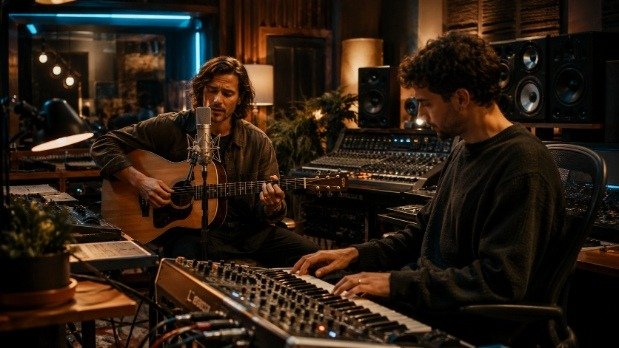
This freedom continues inspiring new generations of musicians to create music that reflects their own experiences and artistic vision.
Frequently Asked Questions
What is the main difference between indie rock and indie pop?
The biggest difference in indie rock vs indie pop is their musical style. Indie rock generally focuses on guitar-driven arrangements and experimental songwriting, while indie pop emphasizes catchy melodies, polished production, and accessible song structures.
Is indie rock better than indie pop?
Neither genre is better than the other. The right choice depends on your personal taste, listening preferences, and the type of music you enjoy.
Can an artist create both indie rock and indie pop?
Yes. Many independent musicians combine elements of both genres to develop a unique sound that reflects their artistic identity.
What makes the music genre indie rock unique?
The music genre indie rock is known for its creative freedom, emotional storytelling, live instrumentation, and willingness to experiment with different musical ideas.
Why are indie pop artists so popular?
Many indie pop artists create memorable songs with relatable lyrics and melodic arrangements, making their music enjoyable for a wide range of listeners.
Is independent music only for new artists?
No. Independent music includes both emerging musicians and experienced artists who choose to maintain creative control over their work.
Can independent musicians build successful careers?
Yes. Many independent musicians have built sustainable careers through quality music, consistent branding, streaming platforms, live performances, and direct engagement with fans.
Why should listeners explore different indie genres?
Exploring different styles helps listeners discover new artists, appreciate diverse musical influences, and better understand the creativity that defines independent music.
Conclusion
Understanding indie rock vs indie pop helps listeners appreciate the diversity within independent music rather than viewing it as a single style.
Both genres share the same foundation of artistic freedom and originality while offering different musical experiences. Indie rock often appeals to those who enjoy energetic instrumentation and experimental songwriting, whereas indie pop attracts listeners who appreciate melodic compositions and accessible production.
Ultimately, the best genre is the one that resonates with you personally. By exploring different artists, supporting independent musicians, and keeping an open mind, you can discover music that reflects your own tastes and expands your appreciation for creative expression.
Many musicians also use Bandcamp to sell music directly to supporters while maintaining greater creative control.
Call to Action
Ready to explore more about independent music? Continue reading our guides on What Is Indie Music, Indie Music Artists, Singing Techniques, and Mexican Singer Songwriters to deepen your understanding of music genres, artist development, and the world of independent musicians.
Related Articles
Continue your journey through independent music with these helpful guides: