

Quick Answer
What is indie music? Indie music refers to music that is created and released independently, often without the support of major record labels. It emphasizes artistic freedom, originality, and authentic storytelling. Today, many indie artists build successful careers by producing their own music, connecting directly with fans, and distributing songs through digital platforms.
Key Takeaways
- What is indie music is one of the most common questions among new music fans.
- Independent musicians prioritize creativity over commercial trends.
- The music genre indie rock helped shape the modern indie movement.
- Many indie pop artists have introduced independent music to wider audiences.
- Building a career as an independent artist requires creativity, consistency, and strong branding.
Introduction
Music has evolved significantly over the years, giving artists more opportunities than ever before to share their work with audiences worldwide. While major record labels once controlled most aspects of the music industry, today’s digital landscape allows musicians to create, publish, and promote their own music independently.
This transformation has led many people to ask, what is indie music, and why has it become such an important part of modern culture?
Independent music is more than simply releasing songs without a record label. It represents a creative mindset where artists have greater control over songwriting, production, branding, and audience engagement. Rather than following industry trends, many musicians focus on expressing their personal stories and developing a unique musical identity.
As streaming platforms and social media continue to expand, independent musicians now have the opportunity to reach global audiences while maintaining complete creative freedom. This combination of originality and accessibility has made indie music one of the fastest-growing areas of today’s music industry.
What Is Indie Music?
Many beginners believe indie music refers to a specific sound or genre. In reality, the answer to what is indie music is much broader.
The word “indie” comes from independent, meaning music that is created and distributed without relying entirely on major commercial record labels.
Independent musicians usually have greater control over:
- Songwriting
- Music production
- Album artwork
- Marketing
- Live performances
- Brand identity
- Fan engagement
Because artists make many of their own creative decisions, indie music often feels more personal and authentic than highly commercial productions.
What Is an Indie Music Style?
Many people also search for what is an indie music style because they assume all indie songs sound the same.
However, independent music is not limited to one musical style.
Instead, indie artists create music across many genres, including:
- Indie rock
- Indie pop
- Indie folk
- Alternative rock
- Electronic music
- Acoustic music
- Experimental music
This flexibility allows musicians to experiment creatively without feeling restricted by industry expectations.
Rather than fitting into one category, indie music is defined by creative independence.
The History of Independent Music
Independent music has existed for decades, long before digital streaming became popular.
In earlier years, artists who could not secure contracts with major record labels often released music through smaller independent labels or financed their own recordings.

Although these musicians had fewer resources, they enjoyed greater artistic freedom.
As technology improved, independent artists gained access to affordable recording equipment, online music distribution, and direct communication with listeners.
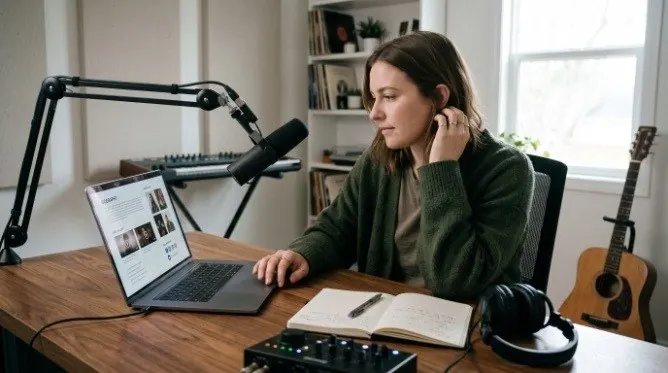
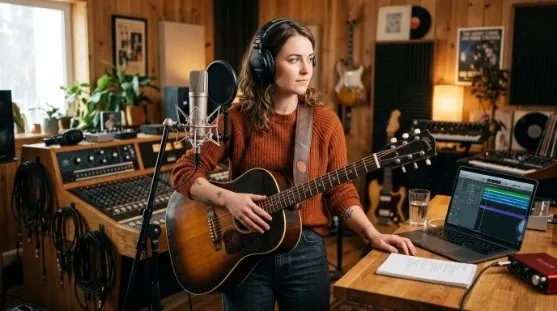
Today, artists can record professional-quality music from home studios and release songs worldwide within days.
This technological shift has completely changed the independent music landscape.
Why Independent Music Continues to Grow
Independent music has experienced remarkable growth because listeners increasingly value authenticity.
Instead of following commercial formulas, many indie artists focus on creating music that reflects genuine emotions and personal experiences.
Some reasons for this growth include:
- Greater creative freedom
- Easier digital distribution
- Direct communication with fans
- Affordable music production
- Global streaming platforms
- Strong online communities
These advantages have encouraged thousands of musicians to pursue independent careers while maintaining ownership of their creative work.
The Values That Define Independent Musicians
Although every artist is unique, successful independent musicians often share several important values.
Creativity
Independent artists are encouraged to experiment with new sounds, ideas, and musical styles instead of copying existing trends.
Authenticity
Many listeners appreciate music that feels honest and emotionally meaningful.
Independence
Artists maintain greater control over important career decisions, from songwriting to marketing.
Community
Independent musicians often build close relationships with listeners by sharing behind-the-scenes content, responding to fans, and maintaining active online communities.
Together, these values help explain why independent music continues attracting audiences across the world.
Why Authentic Storytelling Matters
One of the biggest strengths of indie music is storytelling.
Independent musicians often write songs inspired by:
- Personal experiences
- Family
- Relationships
- Life challenges
- Hope
- Growth
- Everyday moments
Because these stories feel genuine, listeners often develop stronger emotional connections with both the songs and the artists behind them.
Authentic storytelling remains one of the key reasons why independent music continues gaining popularity across different generations.
Understanding the Music Genre Indie Rock
One of the most influential styles within independent music is the music genre indie rock. Although it originally developed as an alternative to mainstream rock, it has evolved into a diverse musical movement known for originality, experimentation, and emotional storytelling.
Unlike commercial rock music, indie rock encourages artists to create songs that reflect their own experiences rather than following popular industry formulas.
Common characteristics of indie rock include:
- Creative songwriting
- Unique guitar melodies
- Honest lyrics
- Independent production
- Emotional performances
- Artistic freedom
These qualities have helped indie rock remain one of the most respected styles in the independent music world.
How Indie Pop Artists Expanded Independent Music
As independent music evolved, many indie pop artists introduced a softer and more melodic approach while maintaining the creative freedom that defines indie culture.
Instead of focusing only on commercial success, indie pop artists often create music that combines memorable melodies with meaningful lyrics.
Some defining characteristics include:
- Catchy yet original songs
- Personal storytelling
- Creative production
- Relaxed vocal performances
- Modern musical influences
Because of this balance between accessibility and authenticity, indie pop continues attracting listeners of all ages.
Why Indie Music Artists Choose Independence
Many musicians intentionally avoid signing with major record labels because they value creative control over every part of their career.
Independent artists often make decisions about:
- Songwriting
- Recording
- Album design
- Marketing
- Merchandise
- Live performances
- Fan engagement
Having this level of control allows artists to develop music that truly represents their personality and artistic vision.
While independence also brings greater responsibility, many musicians believe the freedom is worth the extra effort.
The Role of Music Indie Bands
Although solo artists receive significant attention, music indie bands have played an equally important role in the growth of independent music.
Working as a band allows musicians to combine different creative strengths while developing a distinctive sound together.
Band members often contribute through:
- Songwriting
- Instrumental performance
- Vocal harmonies
- Music production
- Live stage performances
Collaboration often leads to fresh ideas and stronger musical chemistry, helping bands create memorable experiences for listeners.
How Technology Changed Independent Music
Technology has completely transformed the music industry over the last two decades.
Today, independent musicians no longer need expensive recording studios or major label support to produce professional-quality music.
Modern artists can:
- Record music from home studios.
- Release songs worldwide.
- Connect directly with listeners.
- Analyze audience data.
- Promote music through digital platforms.
- Build communities across different countries.
These opportunities have made it easier than ever for talented musicians to share their work with a global audience.
Many independent musicians release their songs through Spotify, allowing listeners worldwide to discover new music while artists maintain creative independence.
Building a Strong Artist Brand
Creating great music is only one part of building a successful independent career.
Modern musicians also need a recognizable personal brand.
A strong artist brand includes:
- A consistent visual identity
- Professional photography
- Memorable album artwork
- Authentic communication
- A well-designed website
- Active social media profiles
Branding helps audiences recognize and remember artists long after hearing their music.
For many successful independent musicians, their brand becomes just as important as their songs.
The Importance of Continuous Learning
The music industry changes constantly.
Successful musicians continue improving their skills by studying songwriting, production, marketing, and performance techniques.
Many artists also dedicate time to improving their singing techniques, allowing them to deliver stronger live performances while protecting their vocal health.
Learning should never stop, regardless of experience.
Artists who continue developing new skills often adapt more successfully to industry changes and audience expectations.
Common Misconceptions About Indie Music
Despite its popularity, several myths still surround independent music.
Myth 1: Indie Music Is Only a Genre
Reality: Indie music is primarily about independence rather than one specific musical style.
Myth 2: Independent Artists Cannot Become Successful
Reality: Many independent musicians have built international careers while maintaining complete creative control.
Myth 3: Professional Equipment Is Required
Reality: Modern technology allows artists to create high-quality music using affordable recording equipment and home studios.
Myth 4: Indie Music Has a Small Audience
Reality: Millions of listeners around the world actively support independent musicians through streaming platforms, live performances, and online communities.
Expert Insight
The independent music movement continues growing because audiences increasingly value authenticity over perfection.
Musicians who consistently improve their craft, build meaningful relationships with listeners, and remain true to their artistic vision are often the ones who create long-lasting careers.
Understanding what is indie music is not simply about learning a definition. It is about recognizing a creative philosophy that encourages originality, independence, and genuine human connection through music.
The Future of Indie Music
The future of independent music looks brighter than ever. As technology continues to evolve, artists have more opportunities to create, distribute, and promote their work without relying on major record labels.
Streaming platforms, social media, and direct fan engagement have completely changed how musicians build successful careers. Instead of waiting for opportunities, independent artists can now create them.
This shift has encouraged thousands of musicians to explore creative freedom while building loyal audiences across different countries.
As more listeners search what is indie music, the independent music movement is expected to continue growing for many years.
Independent artists also publish their music on Apple Music, helping them reach audiences across multiple countries and devices.
How to Start Your Journey in Indie Music
Starting an independent music career may seem challenging, but every successful artist begins with a passion for creating music and a commitment to continuous improvement.
Here are some practical steps to begin your journey.
Learn Your Craft
Whether you sing, write songs, or play an instrument, investing time in learning the fundamentals is essential.
Regular practice helps improve creativity, confidence, and performance.
Create Original Music
Independent musicians are known for authenticity.
Rather than copying trends, focus on creating songs that reflect your own experiences, ideas, and emotions.
Original music helps you build a unique identity that audiences can remember.
Build Your Personal Brand
Your music is only one part of your career.
A professional brand should include:
- A memorable artist name
- High-quality images
- A professional website
- Consistent social media profiles
- Clear visual identity
- Engaging communication with fans
Strong branding makes it easier for people to recognize and trust your work.
Release Music Consistently
Many successful independent musicians publish new content regularly instead of waiting years between releases.
You can share:
- Singles
- EPs
- Albums
- Acoustic sessions
- Live performances
- Behind-the-scenes content
Consistency helps keep your audience engaged while showing search engines and streaming platforms that your content remains active.
Connect With Your Audience
Independent music is built on relationships.
Take time to:
- Reply to comments
- Share your creative process
- Thank your supporters
- Answer questions
- Celebrate milestones with your audience
Building genuine connections creates loyal fans who continue supporting your music over time.
Why Independent Music Matters Today
Many listeners prefer independent music because it feels more authentic and personal.
Without heavy commercial influence, artists often have the freedom to experiment with different sounds, write meaningful lyrics, and express emotions honestly.
This creative independence has helped thousands of musicians establish successful careers while staying true to their artistic vision.
Whether someone enjoys acoustic performances, electronic music, indie rock, or indie pop, independent music offers something unique for every listener.
Frequently Asked Questions
What is indie music?
What is indie music refers to music that is created and released independently, allowing artists greater creative freedom over songwriting, production, branding, and distribution.
What is an indie music artist?
An independent music artist creates and releases music while maintaining significant creative control over their work, often without relying on a major record label.
Is indie music a genre?
Not exactly.
Although many people associate indie music with specific sounds, it is better understood as an approach to creating and releasing music independently.
What is the music genre indie rock?
The music genre indie rock is one of the most popular styles within independent music. It emphasizes originality, creative songwriting, and authentic expression.
Who are indie pop artists?
Indie pop artists are independent musicians who combine melodic pop music with creative freedom and personal storytelling.
Can music indie bands become successful?
Yes.
Many music indie bands have achieved international recognition by creating original music, performing consistently, and building strong relationships with fans.
Do independent musicians need professional studios?
No.
Modern recording technology allows many musicians to produce high-quality music from home studios while maintaining professional standards.
Why do listeners enjoy indie music?
Many people appreciate indie music because it emphasizes originality, emotional storytelling, and artistic independence instead of following commercial trends.
Conclusion
Understanding what is indie music is about more than learning a simple definition. It is about recognizing a creative movement that values originality, independence, and authentic storytelling.
From solo performers to bands, independent musicians continue proving that meaningful music can thrive without depending entirely on major record labels. Their ability to connect with listeners through honest songwriting, creative experimentation, and consistent artistic growth has made independent music one of the most influential movements in today’s industry.
Whether you are discovering new artists, planning to release your own music, or simply exploring different genres, indie music offers an inspiring example of how creativity and passion can shape successful musical careers.
Call to Action
Interested in learning more about independent music? Continue exploring our guides to discover practical tips on indie artists, singing techniques, music genres, and career development. Whether you’re a music enthusiast or an aspiring musician, there’s always something new to learn on your creative journey.