
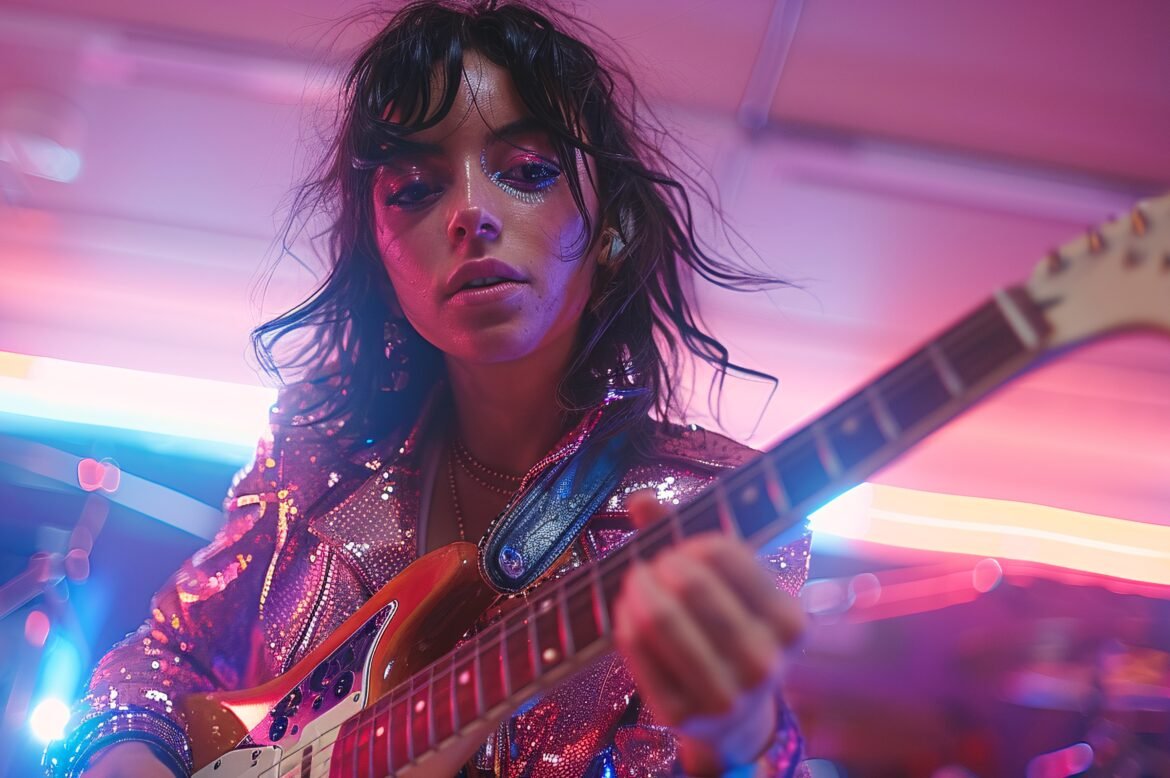

In the era of mass-produced music, where mainstream artists dominate charts and airwaves, the rise of indie music artists stands as a testament to the power of authenticity. Unlike their commercial counterparts, indie musicians carve their own path, choosing to prioritize artistic expression over commercial gain. But in an industry driven by trends, how do these artists stay true to their craft? Let’s explore the world of indie music and the relentless pursuit of authenticity amidst the pressure to conform.
The Power of Indie Music: Embracing Artistic Freedom
Indie music artists are often seen as the trailblazers of musical freedom. They operate outside the constraints of major record labels, allowing them to experiment with unconventional sounds, lyrics, and themes. This freedom enables them to explore genres and topics that are often ignored by mainstream music. From folk to indie rock, electronic to alternative, these independent musicians carve their niche in the ever-changing landscape of modern music.
The key to this freedom lies in the control that indie artists retain over their creative process. Without corporate interference, they can release music on their own terms. For many, this is the very essence of what it means to be an indie artist: complete control over their sound, image, and message.
Challenges of the Commercialized Music Industry
While indie music offers immense creative freedom, it is not without its challenges. The commercialization of the music industry has created a system where major record labels have the power to dictate what becomes popular. For indie musicians, breaking through the noise and achieving recognition in a sea of mainstream content can be daunting.
The pressure to sign with a label or alter their music to fit mainstream expectations is ever-present. Yet, many indie artists choose to stay independent, understanding that maintaining creative control is far more important than temporary fame. They are committed to delivering music that is authentic to their core values, even if it means not receiving the commercial success that their mainstream counterparts enjoy. This decision often comes with sacrifices, but it is one that speaks volumes about their integrity.
Social Media and the Indie Music Revolution
The rise of social media has been a game-changer for indie music artists, offering a platform where they can directly engage with their audience without relying on traditional media channels. Platforms like Instagram, YouTube, and Spotify have allowed independent musicians to distribute their work globally, reaching fans and building communities without needing the backing of a major label.
Through these platforms, indie musicians can promote their music independently, staying true to their brand while reaching new listeners. Social media also gives them the ability to tell their personal stories and share behind-the-scenes content, which creates a deeper connection with their audience. This kind of direct interaction would have been nearly impossible in the pre-internet era of music.
Navigating Financial Struggles: The Reality of Being an Indie Artist
One of the harsh realities that many indie music artists face is financial instability. Without the massive budgets and resources that major labels provide, indie musicians must find creative ways to fund their projects, promote their work, and support themselves. Crowdfunding platforms, merchandise sales, and live performances are some of the ways indie artists generate revenue, but these avenues are not always enough to make a sustainable living.
Despite these challenges, many artists choose to stay true to their independent roots. They prioritize their passion for music over the financial incentives that come with mainstream success. For some, the joy of creating art that resonates with others is enough to keep them motivated, even in the face of financial strain. These musicians are a reflection of a deeper cultural movement, one that values artistic integrity over material rewards.
The Role of Authenticity in the Indie Music Scene
At the heart of the indie music movement is authenticity. Indie artists are not bound by the expectations of the mainstream, allowing them to create music that is deeply personal and reflective of their experiences. This authenticity resonates with audiences who are looking for something real and relatable in a world full of manufactured pop stars.
The authenticity of indie artists is not only reflected in their music but also in their approach to storytelling and branding. These artists often share the struggles and triumphs they face in their personal lives, creating a connection with fans that is based on honesty and vulnerability. In contrast to the often polished and curated personas of mainstream artists, indie musicians embrace imperfections and showcase their true selves. This level of openness builds a loyal following that connects with their values rather than just their sound.
The Rise of DIY Culture: Empowering Indie Artists
In the past, being an independent musician meant limited access to recording studios, equipment, and distribution channels. However, with advancements in technology, the DIY (Do-It-Yourself) culture has flourished, making it easier than ever for indie music artists to record and release their music. With affordable home recording equipment, digital distribution platforms, and a plethora of online tools, musicians no longer need the financial backing of a label to create and distribute their music.
This democratization of the music industry has allowed indie musicians to maintain their independence and artistic vision without compromising. Artists can create high-quality music from their own homes and release it directly to their fans, bypassing the traditional gatekeepers of the industry. This empowerment is at the core of what it means to be an indie artist in the modern age.
Fans as Partners: The Importance of Building a Loyal Following
For indie music artists, their fans are more than just listeners; they are partners in their journey. Building a loyal fan base is crucial for success, and indie musicians often engage with their supporters in a way that mainstream artists cannot. Through direct interactions on social media, behind-the-scenes content, and personal messages, indie artists create a sense of community and belonging.
Fans of indie music tend to appreciate the genuine connection they have with the artists they support. This relationship is built on mutual respect and admiration for the artist’s craft, rather than the commercial hype that often surrounds mainstream musicians. As a result, indie artists can rely on the unwavering support of their fans, even in the face of industry obstacles. It is this bond that sustains them, keeping their music relevant and appreciated even outside of mainstream success.
The Future of Indie Music: Staying True to the Craft
The future of indie music artists looks bright, as more and more musicians embrace independence and authenticity. With the rise of streaming platforms, social media, and DIY technology, indie artists have the tools to create and distribute their music without the constraints of the mainstream industry. As a result, the indie music scene is thriving, and there is an ever-growing demand for music that is original, personal, and true to the artist’s vision.
Despite the challenges that indie musicians face, their commitment to authenticity and artistic expression remains unwavering. For many, the goal is not fame or fortune, but the satisfaction of creating music that speaks to their hearts and resonates with their audience. As long as the desire for genuine, independent music continues, the indie music movement will remain a powerful force in the industry.
Conclusion: The Legacy of Indie Music Artists
In a world where commercialization often overrides creativity, indie music artists continue to stand out for their authenticity, passion, and independence. Through their music, they remind us that art should not be defined by profit margins, but by the power to connect, inspire, and evoke emotion. These artists have paved the way for future generations of musicians who wish to stay true to their craft, regardless of the pressures to conform to mainstream standards.
As the indie music scene continues to evolve, one thing remains certain: the spirit of independence and authenticity will always be at its core. Whether it’s through social media, DIY recording, or building strong fan communities, indie music artists are here to stay, and their influence on the music industry will only grow.